
10 things to know about the Dutch Grand Prix from Amsterdam
Circuit Zandvoort rises and falls through North Sea coastal dunes — the track banks at 18 degrees into a curve named for a Dutch motorsport legend, crests a sand ridge, and deposits 110,000 orange-clad spectators into one of the most unusual venues on the Formula 1 calendar. And in 2026, as currently planned, they're doing it for the last time. The Dutch Grand Prix runs August 21–23, the farewell edition at Zandvoort, and Amsterdam Schiphol is your entry point — a flight in, 30 minutes by train to the circuit, and a weekend unlike anything else in motorsport. Here are 10 things to get right before you go.
1. Weekend tickets sold out — here's what you actually do now
Weekend (Saturday and Sunday) tickets sold out through official channels ahead of the 2026 event. Your first move is the dutchgp.com waiting list — the only first-party route if passes open up. Third-party resale carries inventory at a premium.
The farewell-edition demand has made this the hardest Dutch Grand Prix to ticket in the event's modern era, with prices up roughly 15–20% versus 2025. General admission (GA) tickets — open standing areas without a reserved seat — were priced around €150–250 per day while available; three-day Silver II grandstand around €529; premium grandstands in the €740–800 range. None of those are currently purchasable through the official site without checking first. One slot worth checking: Super Friday (FP1 plus Sprint Qualifying on Friday) and some hospitality packages were among the last options remaining as of the research date in June 2026. Those may also have sold, but are worth a look. Whatever the current state when you read this, check dutchgp.com for availability before assuming anything about what's purchasable.
Quick reference: Official tickets and waiting list at dutchgp.com/en/tickets-2026. Third-party resale via standard secondary markets. Price bands (recent; subject to change): GA single-day around €150–250; 3-day Silver II grandstand around €529; premium grandstand around €740–800 (GPDestinations.com, 2026). Hospitality packages via F1 Experiences and third-party race travel operators.
2. No cars — the train-only design is the single most important logistics fact

There is no spectator parking at Circuit Zandvoort during race weekend — roads into the town close and the event is structurally, not just optionally, car-free. If you plan to drive, plan something else.
Around 97% of the roughly 110,000 daily attendees arrive by train, bus, or bike — a transport model the organizers cite as a sustainability benchmark and one of the things that genuinely sets this event apart from most F1 races (dutchgp.com, 2026; ESPN, 2025).
From Amsterdam Centraal, the direct Sprinter train to Zandvoort aan Zee takes approximately 30 minutes. On race days, NS runs up to 12 trains per hour — one every five minutes — moving around 10,000 passengers per hour (railwaypro.com, 2026). Normal service on this line is roughly two trains per hour via Haarlem, so the race-day frequency is a genuine upgrade. What doesn't change is the walk: from Zandvoort station to the main circuit entrance is about 1.5 km through the town and dunes, around 15 minutes on foot. Follow the orange. You cannot get lost.
Post-race is where patience matters. Even with that train frequency, queues at Zandvoort station after the race have reached 60–120 minutes in prior editions. The practical approach: stay on-site for at least 30–60 minutes after the podium ceremony, watch the track celebrations, get a drink, and let the first wave through before heading to the station.
Quick reference: Amsterdam Centraal → Zandvoort aan Zee, 30 min, around €8–11 single (NS fares, mid-2026; check current fares at thetrainline.com or the NS app). Race-day frequency: up to 12 trains/hour. Station walk to circuit: 1.5 km / ~15 min. Post-race: plan 30–60 min on-site before attempting the return queue. From Haarlem: ~10–15 min by Sprinter train or Connexxion bus (Buses 300/356, ~10–12 per hour race days). From Schiphol: via Amsterdam Centraal (50–55 min total) or via Haarlem (~35–40 min, cleaner interchange).
3. Where to stay: Amsterdam, Haarlem, or Zandvoort — the honest trade-offs

Three base options exist for race weekend — Amsterdam, Haarlem, or Zandvoort town. Amsterdam is the default for most: widest hotel inventory, best price range, 30 minutes to the circuit by race-day train.
Amsterdam hotels in mid-August are already elevated from general summer demand before the GP factor adds anything. Race-weekend rates have been significantly higher than surrounding weeks. Book 6–9 months out minimum, and book centrally — near Amsterdam Centraal or on the main tram corridors — so the post-race return doesn't add unnecessary walking.
Haarlem is the underreported alternative. About 10–15 minutes from the circuit by train or bus, it operates at a fraction of Amsterdam's tourist density, has its own canal streets, and gives you the Grote Markt, the Frans Hals Museum (the largest collection of 17th-century group portraits by Frans Hals), and the Grote Kerk with its Müller organ — the same organ Mozart played as a child when he visited in 1765 (iamsterdam.com, 2026). The tradeoff: smaller hotel inventory that books out fast once race-weekend demand hits, and fewer late-evening dining options after a long race day. For early planners who want a more local-feeling base, Haarlem rewards the extra effort.
Zandvoort town itself is walking distance from the circuit and worth knowing exists — Hotel Zeespiegel, The Beachhouse Hotel, and Roompot Zandvoort are the main options — but supply is genuinely limited and rates climb sharply for race weekend. Realistic for readers who planned 6+ months ahead and whose priority is being as close as possible. Return train crowding is irrelevant, but the town gets very busy all weekend.
Quick reference: Amsterdam hotel booking window: 6–9 months out for race weekend; mid-August is peak independently of the GP. Haarlem alternatives: search early; smaller inventory, faster sell-out. Zandvoort town: check Hotel Zeespiegel and The Beachhouse Hotel; book well ahead. Accommodation + mid-range grandstand ticket budget: around €1,300 per person for the weekend (GPDestinations.com, 2026).
4. The Sprint weekend format: what it means for which days to attend

The 2026 Dutch Grand Prix is a Sprint weekend — one of six on the F1 calendar and the first Sprint format at Zandvoort. Points are on the line two of three days, and Saturday becomes the most action-packed.
Here's what that means for ticket-holders (dutchgp.com, 2026).
A Sprint race is a shorter Formula 1 race held on Saturday morning — roughly half the distance of the Grand Prix, with full championship points available — followed in the afternoon by Grand Prix Qualifying (the Q1/Q2/Q3 session that sets the Sunday grid). Saturday is now the most action-dense day at Zandvoort: morning Sprint, afternoon Qualifying, maximum on-track time. Sunday is the Grand Prix itself, with race start confirmed at 15:00 local time (CEST). Friday has Free Practice 1 and Sprint Qualifying (which sets the Sprint race grid) — the day with the most track activity outside race day.
If you can attend only one day and have a choice, Saturday now carries a strong argument. If you're attending Sunday, you still see the full race — nothing changes there. For exact session times on Friday and Saturday beyond the confirmed 15:00 Sunday start, check dutchgp.com/program closer to race weekend; precise times had not been published as of June 2026.
Quick reference: Friday: FP1 + Sprint Qualifying (sets Sprint grid). Saturday: Sprint Race (full points, morning) + Grand Prix Qualifying (afternoon). Sunday: Grand Prix, race start 15:00 local CEST. Confirmed start time source: f1timezone.com, oversteer48.com. All other session times: confirm at dutchgp.com/program.
5. The final edition: what it actually means — and what it doesn't

Zandvoort exits the F1 calendar after 2026 — promoter-confirmed in late 2024, well-sourced, and not reversible under current arrangements. The circuit is not closing; this is a farewell from the calendar, not from motorsport.
Sporting director Jan Lammers pointed to the financial model: operating costs approaching €70 million per year, no government subsidy, and a hosting fee structure that had become unsustainable at the scale the event requires (Formula1.com, 2024; ESPN, 2024; Sports Mole, 2024). Formula1.com and RACER confirmed the departure.
What this doesn't mean is worth being specific about. Circuit Zandvoort is not closing — it will continue to host other motorsport events. And F1 has returned to circuits after gaps before; a future promoter could bring a Dutch Grand Prix back to Zandvoort or to a different Dutch venue at some point. The safe version of the story: Zandvoort's farewell from the F1 calendar, at least for now. This is not a "last F1 race ever in the Netherlands" story.
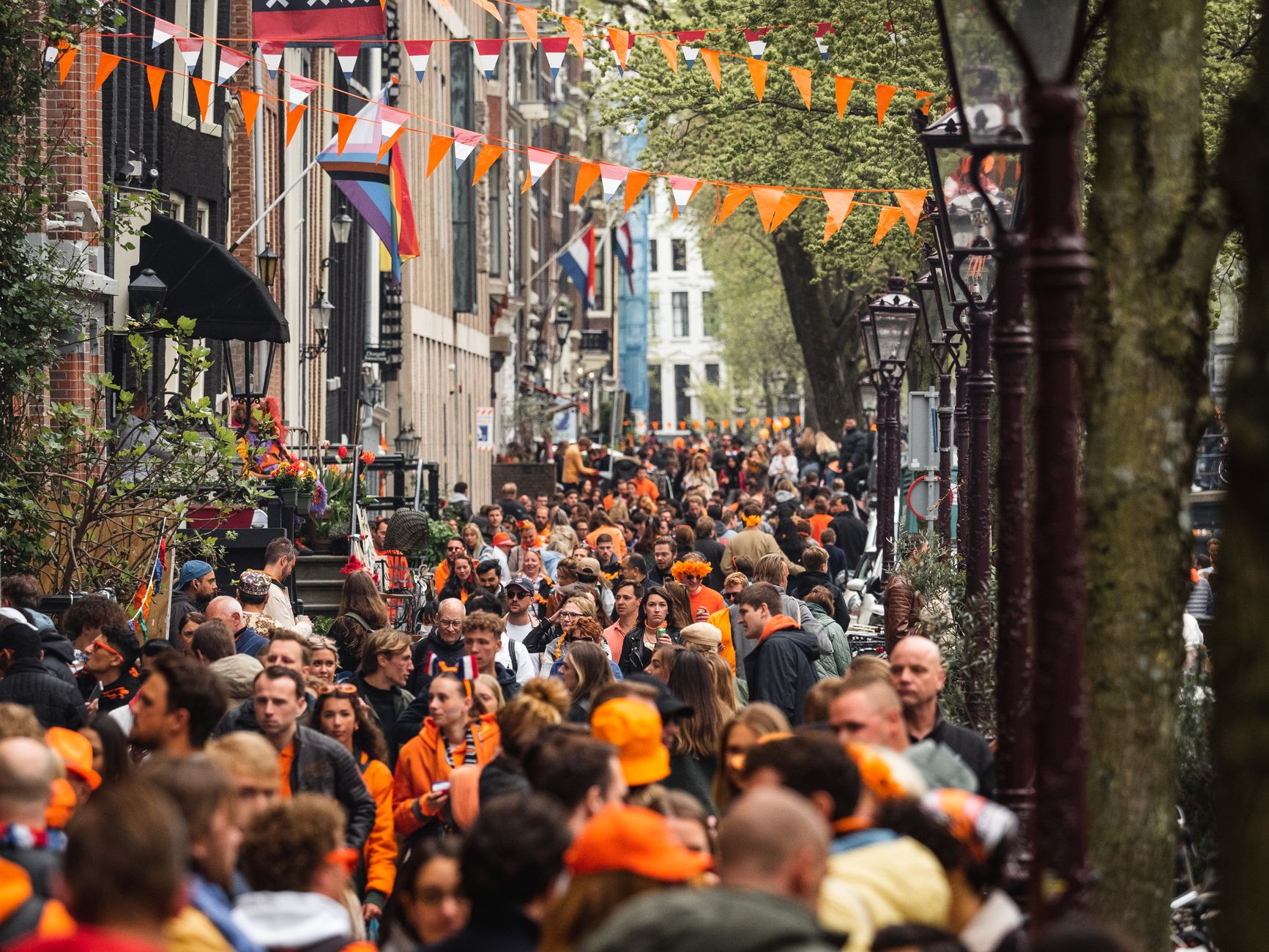
For 2026 ticket-holders, the farewell dimension is very real in the crowd. The Orange Army — the sea of coordinated orange fans that has made the Dutch GP one of the most visually striking events on the calendar — will be there with extra emotional intensity. Prior editions drew weekend totals exceeding 300,000 spectators (Formula1.com, 2026). The 2026 version is going to be a proper send-off, and the atmosphere will feel like it.
Quick reference: Promoter announcement: dutchgp.com/en/final-race-2026/. Sources: Formula1.com (2024), ESPN (2024), RACER (2024). Safe phrasing: "Zandvoort's farewell from the F1 calendar" or "the last Dutch Grand Prix at Zandvoort as currently arranged." Circuit Zandvoort remains open; other motorsport events continue.
6. Race-day logistics: when to arrive, when to leave, what the walk is like
Arrive early, stay late, and walk the dunes — those three rules cover most of what makes race day at Zandvoort different from every other F1 venue.
Gates open before 9:00 local time; support series run between sessions and fan zones are open all day, making the morning far less pressured than the hour before race start. The dune walk from Zandvoort station sets the tone: you step off the train at a small coastal resort station and follow a river of orange through a gap in the dunes toward the sound of the track. It's about 1.5 km and 15 minutes on foot, and it's unlike the drive-in approach most F1 venues require. The circuit infrastructure rises out of the dunes as you walk — the banked corners of the Hugenholtzbocht (Turn 3, 18-degree banking, named for circuit director Hans Hugenholtz) and the Arie Luyendijkbocht (the final banked right-hander, also 18 degrees with a 32% maximum gradient, named for two-time Indianapolis 500 winner Arie Luyendijk) are visible from the spectator areas as you settle in. There's a rollercoaster quality to watching cars through those corners that flat-circuit events can't replicate.
On Sunday the Grand Prix starts at 15:00 local CEST. At about 1.5–1.75 hours for the race, you're looking at a finish around 16:30–17:00, then the podium ceremony. Post-race: the smart move is to stay on-site for at least 30–60 minutes before heading toward the station. The train queues after a 110,000-person crowd all moves at once have reached two hours in prior editions. Ear protection is optional but common among experienced attendees — F1 cars are substantially louder than anything else in civilian life, and the dune bowl amplifies it.
Quick reference: Gates open: before 09:00 local. Grand Prix start (Sunday): 15:00 local CEST. Race duration: ~1.5–1.75 hrs. Post-race strategy: stay on-site 30–60 min after podium before joining train queue. Bring: contactless card (cash also accepted at concessions), comfortable walking shoes for 1.5 km dune walk, ear protection (optional), layers and a packable waterproof (see Item 7). On-site bike storage: up to 45,000 bikes (dutchgp.com, 2026).
7. Coastal weather: what to pack for late August at the North Sea
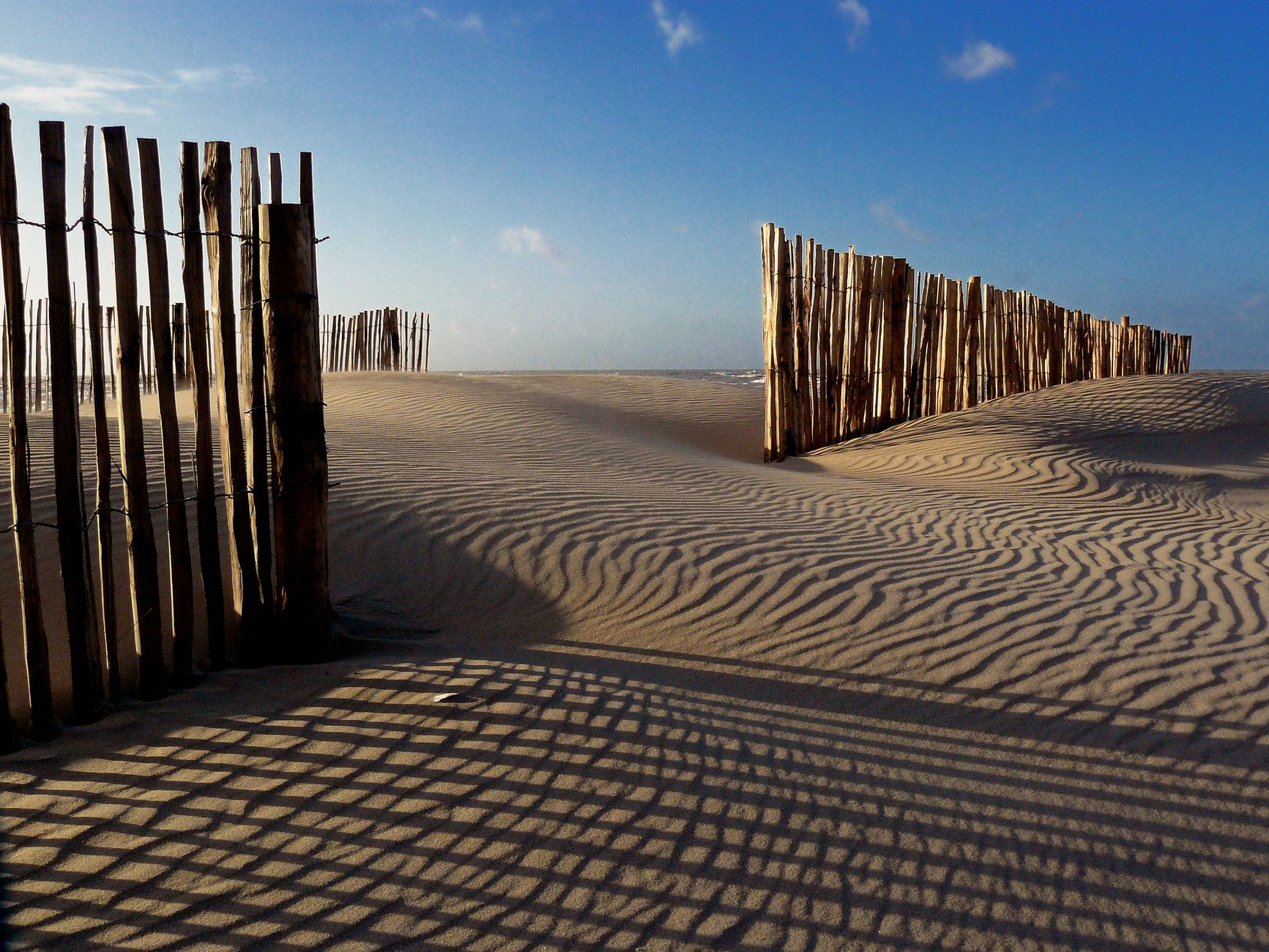
Late August at Zandvoort is mild but coastal: expect 20–23°C, reliable wind off the North Sea, and a one-in-five historical chance of rain on any given race session. Pack for the coast, not a Mediterranean August.
It can be genuinely excellent weather. It can also rain — multiple prior editions of the Dutch GP have seen significant weather interference on race day, and you're sitting or standing in it with no cover if you're in GA (GPDestinations.com, 2026; dutchtickets.gp, 2026).
A packable waterproof is non-negotiable. If you're in the grandstands, you're sitting in it. If you're on GA ground, you're standing in it. Layering on top of that — a mid-layer for the wind coming off the sea between sessions — makes the day considerably more comfortable than showing up in a T-shirt and optimism. None of this is designed to alarm; Zandvoort in late August is often excellent weather. But you're at a coastal dune venue in northern Europe, and the North Sea will remind you of that if you ignore it.
The practical packing list is short: packable waterproof jacket, a warm mid-layer, comfortable walking shoes rated for the dune path from the station. If you're going multiple days, plan for the full range.
Quick reference: Average late-August daytime high at Zandvoort: 20–23°C. Coastal wind: common. Rain probability: roughly 1 in 5 race sessions historically. Pack: packable waterproof (required), mid-layer for wind, walking shoes. Orange gear: not required, but you'll be in a small minority without some nod to it — even a hat or scarf will do.
8. What else to do: Zandvoort beach, Bloemendaal, and Haarlem on non-race days
Amsterdam gives you two strong non-race day anchors within 30 minutes: Zandvoort beach and Haarlem. Both are reachable by direct train; neither requires a car.
The beach operates as a proper resort — surfing, kitesurfing, windsurfing, and beach volleyball all available, board and wetsuit hire through local operators. Two kilometres north along the shoreline, Bloemendaal aan Zee has a more upmarket beach-club scene, outdoor restaurant terraces and a younger social crowd. The Kennemerland National Park dunes behind both beaches are worth exploring on foot or by hire bike — a marked pace change from the circuit chaos.
Haarlem is the natural non-race day anchor. Fifteen minutes from Amsterdam Centraal, 10–15 minutes from Zandvoort by train, it operates at a quarter of Amsterdam's tourist volume while carrying its own substantial cultural weight. The Grote Markt is considered one of the most attractive central squares in the Netherlands. The Teylers Museum — the oldest museum in the country, housed in a beautifully preserved 18th-century Oval Hall — covers natural history, art, and scientific instruments. The Frans Hals Museum holds the largest collection of 17th-century group portraits by Hals, work directly ancestral to Rembrandt's Night Watch in the Rijksmuseum. And the Grote Kerk (St. Bavokerk) holds a historic Christian Müller organ with a documented backstory: Mozart played it as a child during his European tour in 1765. A half-day in Haarlem gives any Amsterdam-based race traveler a Dutch provincial town experience the Dutch capital has long been too crowded to offer.
This is also where the gateway case for Amsterdam earns its second payoff: Amsterdam Centraal puts you within 15–30 minutes of Zandvoort, Haarlem, and the Eurostar corridor west. You came for the race. You have three days. The city and its rail connections make both worth combining.
Quick reference: Zandvoort beach: 30 min from Amsterdam Centraal; surfing/kitesurfing/beach volleyball, board hire available. Bloemendaal aan Zee: ~2 km north of Zandvoort along the beach. Haarlem: train from Amsterdam Centraal every 15 min, ~20 min; also ~10–15 min from Zandvoort. Key Haarlem sites: Grote Markt, Teylers Museum (oldest in the Netherlands), Frans Hals Museum, Grote Kerk (Müller organ), Molen de Adriaan windmill on the River Spaarne.
9. ETIAS and entry for US passport holders

US passport holders enter the Netherlands visa-free under Schengen rules: up to 90 days in any 180-day rolling period, counting all Schengen member states combined — not the Netherlands alone (US State Department, travel.state.gov, 2026).
ETIAS — the EU Electronic Travel Information and Authorization System — is a separate matter. ETIAS is a pre-travel authorization for visa-exempt visitors entering the Schengen Area, scheduled for launch in Q4 2026 but not yet operational as of June 2026. When it does launch, the fee is expected to be around €20 for most adults aged 18–70, valid for three years or until your passport expires. Whether ETIAS will be operational before August 21, 2026 is genuinely uncertain as of this writing. Check the current status at travel.state.gov before booking — the site carries the most current US-traveler guidance on Schengen entry requirements.
Quick reference: Visa: not required for US passport holders (Schengen visa-free, up to 90 days/180-day period across all Schengen countries combined). ETIAS: not yet operational as of June 2026; expected fee around €20 for adults 18–70 when it launches; valid 3 years or until passport expires. Current status: travel.state.gov (US State Department). Netherlands currency: euro (€). English widely spoken in Amsterdam and at the circuit.
10. The honest cost picture: what an all-in weekend actually runs
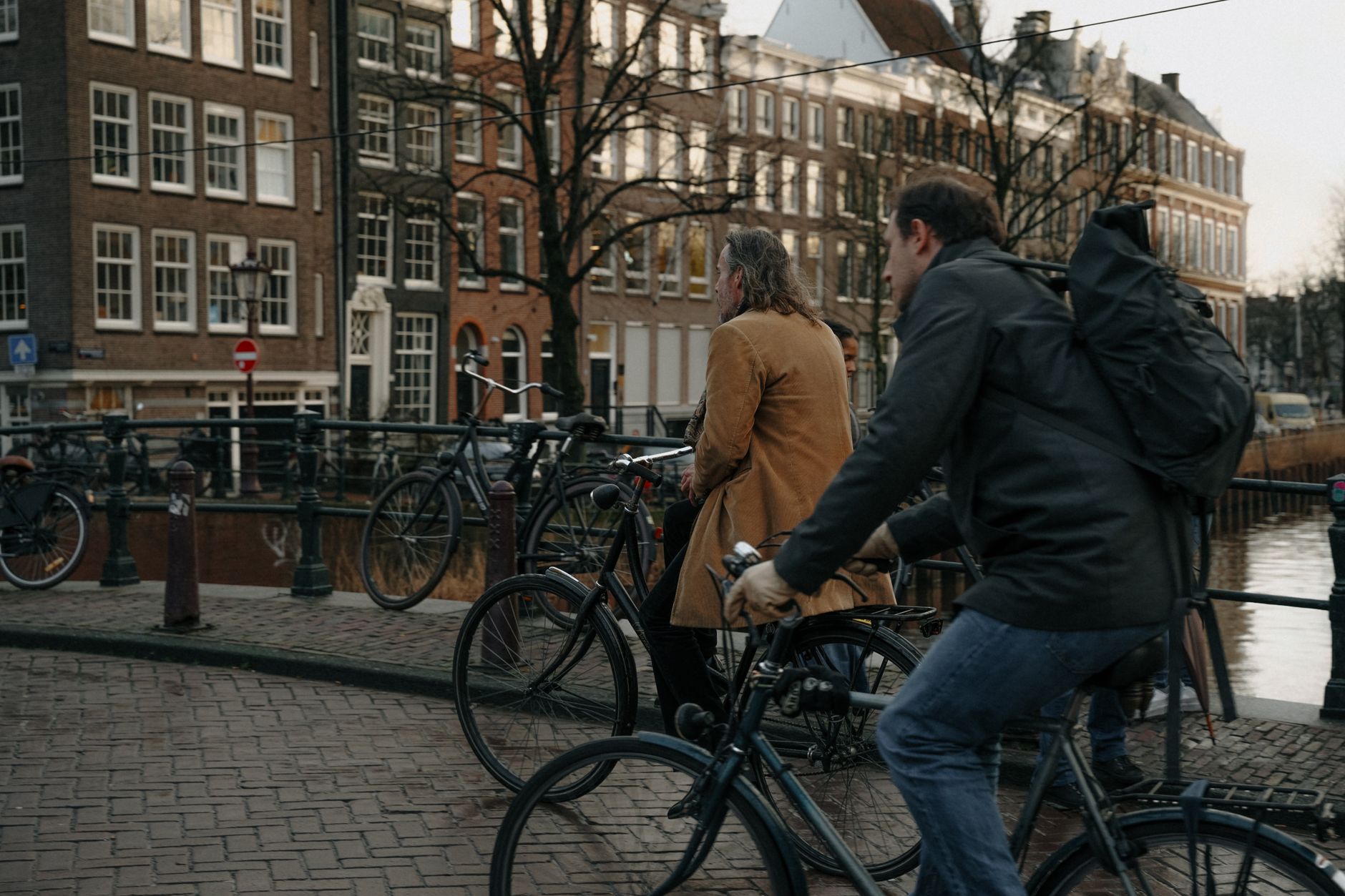
The Dutch Grand Prix is not a cheap F1 weekend — 2026 farewell-edition pricing is up roughly 15–20% versus 2025, and Amsterdam mid-August hotel rates are elevated before the GP premium lands on top.
Budget end: a GA ticket plus a hostel bunk for the weekend runs around €650 per person, based on recent all-in estimates (GPDestinations.com, 2026). That assumes you're in Amsterdam in shared accommodation and moving on GA-only access. Mid-range: a three-day Silver II grandstand ticket plus three nights in a 3-star Amsterdam hotel comes to around €1,300 per person (GPDestinations.com, 2026). Premium and VIP packages run into several thousand euros per person — F1 Experiences and race travel operators quote this tier. These are all point-in-time figures; hotel rates for race weekend specifically are likely higher than standard August nightly rates, and resale ticket prices add a further premium if the official market is closed.
The one genuinely affordable line item in this entire weekend is transport. The round-trip train from Amsterdam to Zandvoort costs around €9–11 per person per day (NS fares, mid-2026). In a budget that stretches to four figures, that's a pleasant surprise. Confirm current fares on the NS app or Trainline.
For a budget that's worth planning around: start with the ticket cost (or resale cost), then add hotel, then build transport and food on top. The race ticket is the biggest variable; the rest of the weekend is Amsterdam, which has options across every price point once you're there.
Quick reference: Budget all-in (GA + hostel): around €650/person. Mid-range all-in (3-day grandstand + 3-star hotel): around €1,300/person. VIP/hospitality packages: several thousand euros/person. Round-trip Amsterdam–Zandvoort train: around €9–11/person/day (NS fares, mid-2026). Hotel booking lead time: 6–9 months for race weekend. Food on-site: cash and contactless accepted at concessions. Confirm current fares at NS app or thetrainline.com. (Sources: GPDestinations.com, 2026; supplement §2 and §7.)
Practical notes
Amsterdam Schiphol (AMS) is the entry airport for the Dutch Grand Prix — the only realistic option from North America, with KLM and Delta running more than 28 combined nonstops per week from New York area airports alone (Schiphol.nl, 2026). Recent one-way fares from North America have ranged from around $248 to $309 at the lower end of recent windows (Treverra search data, Sept–Oct 2026 windows), with summer fares generally higher. Use Treverra's Aviasales-powered search for current fare context; check at least six to eight weeks out from the race for the best combination of availability and price.
From Schiphol to Amsterdam Centraal: direct train every 10–15 minutes, around 16–18 minutes, fare around €6.20 single. Taxis run a fixed rate around €40–55 to the city center; Uber also operates. Once in Amsterdam, OVpay (tap in and out with a contactless bank card or phone) works on all GVB trams, metros, and buses — no separate OV-chipkaart card needed for most visitors. Daily cap: €10.50. For the train to Zandvoort, buy a standard NS ticket via the NS app, at station machines, or on Trainline — the NS Sprinter is not covered by the OV-chipkaart/OVpay in the same way as city transit; buy separately. (Schiphol fare: Schiphol.nl, 2026; OVpay coverage: GVB, 2026.)
Currency is the euro. Card payment is near-universal in Amsterdam and at the circuit; most venues are contactless-first. Cash is accepted at circuit concessions. Time zone: CEST (UTC+2) in August — six hours ahead of US Eastern, nine ahead of US Pacific.
Race weekend timing is fixed: Friday August 21 through Sunday August 23, 2026. The farewell edition has elevated everything — prices, demand, and the emotional register of the crowd. If you're attending, confirm current session times and any logistical updates at dutchgp.com/program before you travel; the schedule for non-race sessions had not been fully published as of June 2026. And confirm current ticket availability and ETIAS status at dutchgp.com and travel.state.gov — both will have evolved by the time this post reaches you. For your specific race year, verify dates, prices, and travel requirements accordingly; circumstances change between when we write and when you book.
Frequently asked questions
Are tickets still available for the 2026 Dutch Grand Prix?
Weekend (Saturday and Sunday) tickets sold out through official channels ahead of the 2026 event. Your first move is the official waiting list at dutchgp.com — that's the only first-party route. Third-party resale markets carry inventory at a significant premium over face value. Super Friday (Friday-only) tickets and some hospitality packages may still be available; check dutchgp.com for current status before assuming anything is purchasable.
Can I drive to Circuit Zandvoort for the Dutch Grand Prix?
No. During race weekend, roads into Zandvoort are closed to private vehicles and there is no spectator car parking at or near the circuit. Around 97% of the roughly 110,000 daily attendees arrive by train, bus, or bike. Plan your transport from Amsterdam Centraal (about 30 minutes by direct train) or from Haarlem (10–15 minutes). Driving is simply not an option for this event.
How long does it take to get from Amsterdam to the circuit on race day?
From Amsterdam Centraal, the direct train to Zandvoort aan Zee takes approximately 30 minutes. On race days, NS runs up to 12 trains per hour on this line. Add a 15-minute walk (about 1.5 km) from Zandvoort station through the dunes to the main circuit entrance. Factor in post-race crowding: return train queues can reach 60–120 minutes, so plan to stay on-site after the podium ceremony until crowds thin.
What is a Sprint weekend in F1, and does it change which day is worth attending?
A Sprint weekend is one of six special F1 weekends on the 2026 calendar where points are contested on all three days, not just Sunday. On Saturday, ticket-holders see both a Sprint race in the morning (a shorter, full-points race) and Grand Prix Qualifying in the afternoon — making Saturday exceptionally action-packed. Sunday is still the Grand Prix, with race start at 15:00 local time. If you can only attend one day, Saturday now rivals Sunday for sheer content.
Why is 2026 the last Dutch Grand Prix at Zandvoort?
The promoter confirmed in late 2024 that the Dutch Grand Prix will not continue at Zandvoort beyond 2026. The decision is financial: operating costs were approaching €70 million per year with no government subsidy and an unsustainable hosting fee structure. Circuit Zandvoort is not closing — it will continue hosting other motorsport events — and F1 could return to a Dutch venue under a future promoter. The right way to put it: Zandvoort's farewell from the F1 calendar, not the end of Dutch motorsport.
Is Haarlem a better base than Amsterdam for the race?
Haarlem is the underreported alternative: about 10–15 minutes from the circuit by train or bus, quieter than Amsterdam, with its own canal streets, the Frans Hals Museum, and the Grote Kerk with its Müller organ Mozart played as a child. The tradeoff is smaller hotel inventory that books out fast for race weekend, and fewer evening dining options. For most readers, Amsterdam is the practical default; Haarlem rewards the early planner who wants a less tourist-dense base.