
3 days in Dublin: a gateway itinerary for Ireland
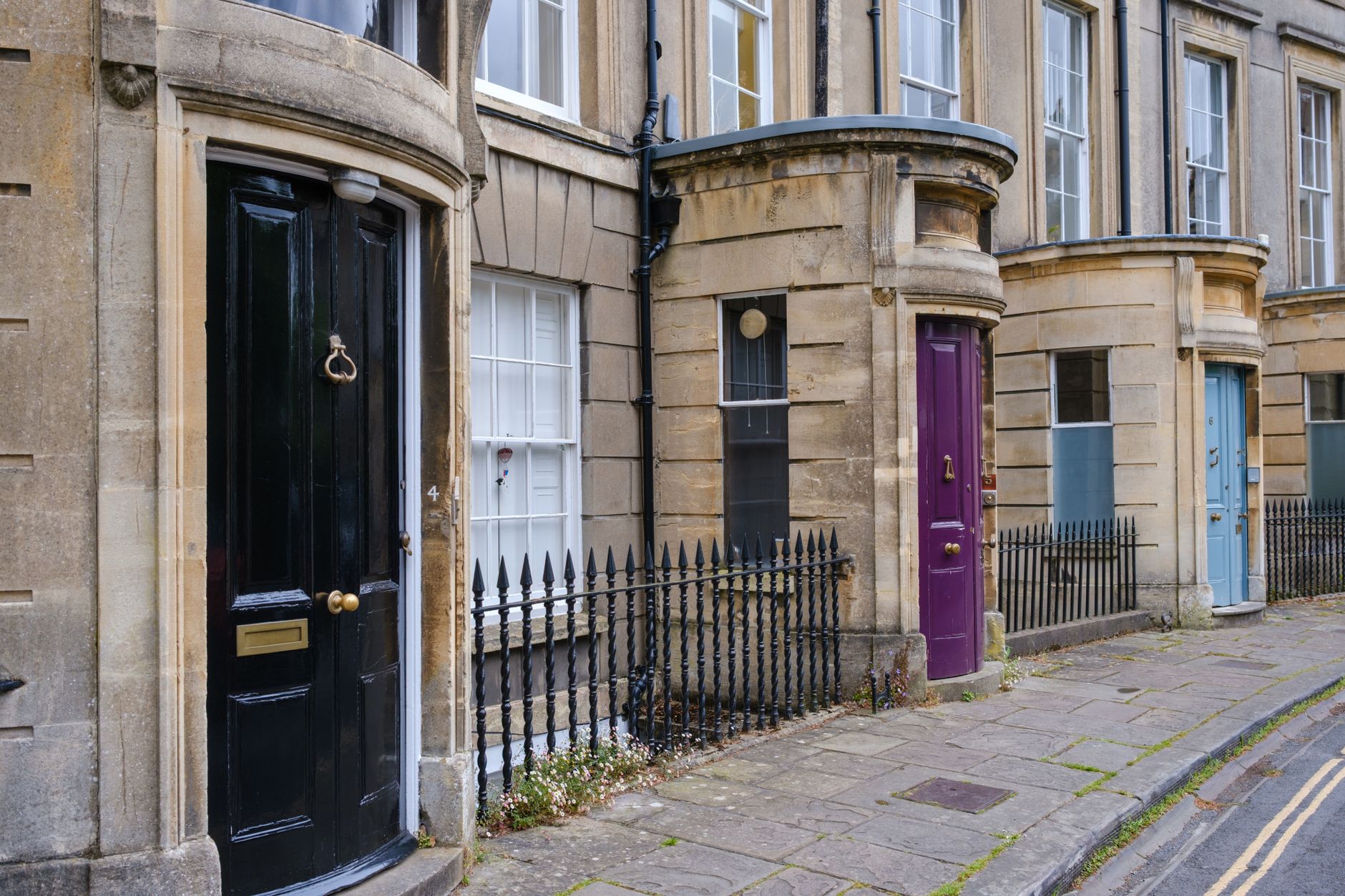
Dublin is a compact city on the River Liffey, a place of Georgian doorways painted every color in the row, second-hand bookshops with stock spilling onto the pavement, and pubs where someone is usually tuning a fiddle in the corner before the night gets going. It's also one of the cheapest, lowest-friction ways for North Americans to reach Europe — and the natural front door to the rest of Ireland. The move this itinerary makes is simple: fly into Dublin, give the city a focused two or three days, then point yourself west or north by train. Dublin is small enough that a week here alone starts to drag, but as the opening leg of an Ireland trip it's close to perfect — cheap to reach, easy to walk, and built on a literary and pub-music culture you can step straight into.
That culture is the thread to follow here. Dublin is a UNESCO City of Literature, the city of Joyce and Yeats and Beckett, and the same instinct that filled its bookshops fills its pubs with live trad most nights of the week. This is a three-day plan that treats the place honestly: the famous stops done at the right hour, the tourist traps named as such, and the better neighborhoods handed to you as an easy upgrade rather than a secret you had to earn.
Why Dublin works as a gateway
Dublin earns the gateway role on three counts: transatlantic fares that undercut the obvious European capitals, a US preclearance facility that lets you clear American immigration before you even fly home, and an onward rail network few cities its size can match. It's a soft landing into Europe and a hard launch into Ireland.
On price, the numbers hold up. Round-trip economy fares from US East Coast hubs have recently come in well below what the bigger continental capitals ask for the same dates, and Aer Lingus keeps advertising budget transatlantic seats that read more like a domestic fare than an ocean crossing. The carrier is running its biggest-ever transatlantic schedule in 2026, with third daily flights from New York and Boston in summer, so the seats are there if you book a few weeks out.
The preclearance facility is the part most travelers underrate. In Terminal 2 you clear all US immigration and customs checks before departure, so you land back in the States as a domestic arrival and walk straight out, skipping the immigration hall entirely. One honest caveat on the low-friction claim: there is no train or tram from the airport into the city. It's the Airlink 747 bus or a taxi, so budget that transfer time, especially if you're connecting to an onward train the same day.
Quick reference — the gateway numbers
- Fares: US East Coast round-trips have recently run from around $630 (KAYAK, August 2026 snapshot); Aer Lingus advertises transatlantic fares from $499 round-trip including taxes (Aer Lingus, 2026).
- Preclearance: Terminal 2 clears all US immigration and customs before departure — you arrive home as a domestic passenger (Dublin Airport, 2026).
- Airport transfer: Airlink 747 to O'Connell Street ~40 min, €6 (Dublin Bus, 2026); taxi €25–€30. No rail or tram link.
Day 1: The old city and the literary core
Day one stays on foot in the medieval and Georgian center, pairing Dublin's grandest interior with its best free museum and an honest first pub night — the day the literary city shows itself before you've spent a euro on a ticket. It's a walking day; wear shoes you can cover five miles in.
Start at Trinity College, Ireland's oldest university, and book a timed slot ahead for the Book of Kells and the Long Room. Be clear-eyed about the Book itself — it's a single illuminated page under glass, beautiful but brief. The reason to come is the Long Room: a barrel-vaulted hall of dark oak shelving and marble busts, two hundred thousand of the library's oldest books stacked to the ceiling, the most memorable interior in the city and the place that tells you what Dublin has always been about. From there it's a ten-minute walk to the National Museum of Ireland – Archaeology on Kildare Street, free and quietly extraordinary — Iron Age bog bodies, and the Ór, a hoard of prehistoric gold. Most visitors skip it for ticketed attractions; don't.
Spend the late afternoon wandering the Georgian core around Merrion Square, where the rows of painted doors and fanlights are the city's signature streetscape, and where Oscar Wilde lounges in stone on the corner of the park he grew up beside. Then come the evening, and the other half of the thread: a trad session — a traditional Irish music session, players gathered in a circle working through reels and slow airs — at a real musicians' pub like O'Donoghue's on Merrion Row or Kehoe's. Get there early, take a stool near the corner, and watch a fiddler count the others in with a nod; it's a world away from Temple Bar's prices and crowds. If you'd rather a quiet pint than a session, The Long Hall and The Stag's Head are two of the city's best-preserved Victorian pubs, both just outside Temple Bar and both still full of Dubliners. If the diaspora story pulls at you, EPIC The Irish Emigration Museum in the Docklands is a strong late-afternoon add — an interactive telling of the ten million who left, and repeatedly voted Europe's leading attraction.
Quick reference
- Trinity / Book of Kells & Long Room: From around €18–€26, timed entry, book online ahead (Visit Trinity, 2026).
- National Museum of Ireland – Archaeology: Free, Kildare Street, no booking needed.
- EPIC The Irish Emigration Museum: From €19.50 online, CHQ Building, Docklands (EPIC, 2026).
- Evening trad session: O'Donoghue's (Merrion Row) or Kehoe's; arrive early for a seat in the small front bar.
Day 2: Revolution, stout, and the real northside
Day two is a tight cluster on the city's west and north sides: the prison where modern Ireland was forged, the largest park in any European capital, the home of Guinness, and the neighborhoods where Dubliners actually drink. It's the day the city stops being a postcard.
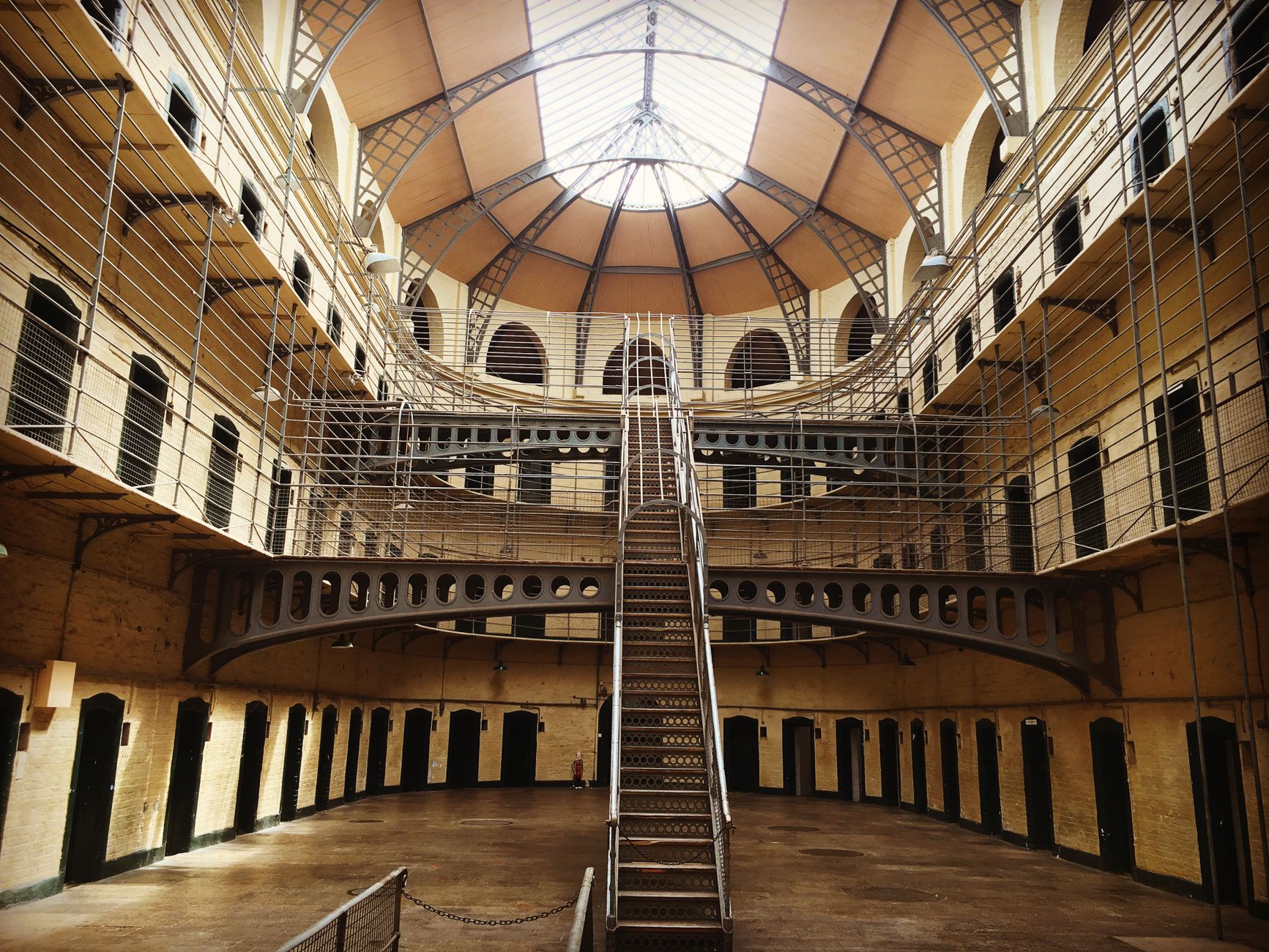
Book ahead for Kilmainham Gaol and go in the morning. This is the decommissioned prison where the leaders of the 1916 Easter Rising were held and executed, and standing in the bare stone yard where they faced the firing squad is the single most affecting hour in Dublin — the guide's voice, the cold light from the glass roof, the names read out. Next door is Phoenix Park, one of the largest enclosed city parks in Europe, with a wild fallow deer herd, the President's residence and long tree-lined avenues; rent a bike if you want to cover it. In the afternoon, the Guinness Storehouse at nearby St James's Gate gives you the seven-floor brand experience and a pint in the panoramic Gravity Bar — worth doing once for the view, but treat it as a museum, not a pub.
That distinction matters, because the stout really does taste better here, and not just by reputation: researchers who scored hundreds of pints across the world found Irish-poured Guinness rated far higher than the same pint abroad. The reasons are part chemistry and part ritual — the slow two-part pour, the settle, the top-off — and you only get the full version of it standing at a bar where the bartender has done it ten thousand times. So end the day in Stoneybatter and Smithfield, the village-like northside where the city's best sessions live. Smithfield is a wide cobbled square anchored by the Jameson Distillery courtyard; Stoneybatter, just up the hill, has become one of Dublin's better food neighborhoods — a grid of red-brick terraces with independent cafés and restaurants among the old corner pubs. The Cobblestone in Smithfield is a musicians' pub where players perform for each other as much as for the room: a box player and two fiddles wedged into the back, a sign asking for quiet during the tunes, and the craic (the Irish word for good company and good fun) you came to Temple Bar for — here for about 30% less and among locals. It's the trad thread from Day 1, paid off in its truest room.
Quick reference
- Kilmainham Gaol: €8 adult, guided tour only, pre-book (releases 28 days ahead, sells out) (Kilmainham Gaol Museum, 2026).
- Phoenix Park: Free, open access; bike rental available near the Parkgate Street entrance.
- Guinness Storehouse: From around €26–€36, dynamic pricing, book online; St James's Gate (Guinness Storehouse, 2026). Irish-poured pints scored far higher than pints abroad (Journal of Food Science, 2011).
- Stoneybatter / Smithfield pubs: The Cobblestone for trad sessions; Luas Red Line to Smithfield or a 20-minute walk from the center.
Day 3: Escape the city, then move on
Day three gets you out of Dublin, because the city's best third day is usually the one you spend leaving it behind for an afternoon — sea cliffs to the north or a monastic valley to the south. Then set up the onward leg of your trip before you turn in.
The easiest escape is Howth, a working fishing village a short ride north on the DART — Dublin's coastal commuter train. The Cliff Path Loop (around 6 km, two to three hours) runs along the headland with constant Irish Sea views, gorse and gulls and the lighthouse below, and there's fresh seafood by the harbour when you're done — pick a spot where the boats unload and order whatever came in that morning. Dalkey and Bray, further south on the same line, are the same idea if you'd rather. For mountains over coast, Glendalough and the Wicklow Mountains are the alternative — a 6th-century monastic site, a round tower and a ruined cathedral set among two dark lakes and forest walks, founded by Saint Kevin as a hermitage and grown into one of early-medieval Ireland's great centers of learning, which keeps the literary thread running even out here. Pair the ruins with the Spinc ridge walk above the upper lake for the views that make the trip. (Tempting as the Cliffs of Moher look on every tour flyer, they're three-plus hours of driving each way from Dublin; save them for when you're based in Galway.)
If you'd rather keep the last day in town, Portobello and the Grand Canal make a relaxed base — canal-side cafés and independent bars around Camden Street, where Dubliners actually spend an evening, with Patrick Kavanagh's bench on the water in case the city's poets aren't finished with you yet.

Quick reference
- Howth: DART from Connolly/Tara/Pearse, every 10–20 min, ~€6–€8 return, 25–35 min; cliff loop ~6 km.
- Glendalough & Wicklow: St Kevin's Bus or a day tour; allow a full day.
- Portobello / Grand Canal: 15–20 min walk south of St Stephen's Green; good for a relaxed evening.
Onward to the rest of Ireland
This is where Dublin pays off as a gateway: a high-speed train can drop you almost anywhere in the country in two to three hours, and the cities at the far end carry the same music and writing the capital does. Trains leave from two stations — Heuston for the west and south, Connolly for the north — so a short hop across town from your last Dublin stop sets up the next leg.
Galway is the classic onward move, about two and a half hours by rail and the jumping-off point for the Wild Atlantic Way and the Cliffs of Moher; it's a city where the trad spills out of the pubs onto the street most summer evenings. Cork opens up the southwest coast, and Belfast is the shortest hop at a little over two hours on the hourly Enterprise service — just remember it's Northern Ireland, so you'll be spending pounds, not euro. Killarney is the gateway to the Ring of Kerry if the southwest is your real target. Book intercity fares ahead online, where they're cheapest, and give yourself a buffer for the cross-town transfer to the right station.
And if Ireland is only one stop on a bigger trip, Dublin works for that too. Aer Lingus and Ryanair fly onward to dozens of European cities from here, often cheaply with a few weeks' notice — and because you clear US customs in Dublin on the way home, looping through the city on a wider Europe itinerary is easier than it sounds.
Quick reference — onward by rail
- Galway: ~2h30 from Heuston (Irish Rail, 2026). For the Wild Atlantic Way and the Cliffs of Moher.
- Cork: ~2h36 from Heuston. Southwest coast.
- Belfast: ~2h08 from Connolly, hourly Enterprise service. Northern Ireland — pounds, not euro. (New trains due to cut the run under two hours by 2028.)
- Killarney: ~3h southwest from Heuston. Gateway to the Ring of Kerry.
Practical notes
A few things make a Dublin trip run smoother, especially when you're treating the city as a launch pad rather than the whole holiday — none of it complicated, but a little planning around transit, money and the booking windows that sell out saves you real time on the ground.
Money. Cards and contactless work nearly everywhere, including on buses; keep a little cash for small spots. Tipping is modest — round up or leave about 10% at sit-down restaurants for good service, and nothing extra is expected at the bar. Be honest with yourself that Dublin is not cheap: accommodation runs high and books up, so reserve early.
Getting around. The center is walkable. For the rest, a Leap card — the city's tap-on transit card — is the cheapest way onto the Luas trams, buses and the DART, and it caps your daily spend. Remember there's no train to the airport; it's the Airlink or Aircoach bus, or a taxi.
Safety. Dublin is generally safe, but petty theft is the real issue — watch your bag and phone around O'Connell Street, Temple Bar and on crowded transport, and be wary of the "ATM help" card-skimming approach. The north inner city is fine by day but best avoided late at night; stick to well-lit, busy streets after dark.
Timing. St Patrick's Day (March 17) fills the city — book far ahead or steer clear if you want quiet. Summer days are long, with light past 10 p.m. in June, and rain is possible in any season, so pack a real waterproof. Above all, pre-book the two stops that sell out — Kilmainham Gaol and the Book of Kells — the moment your dates are set.
Frequently asked questions
How many days do you need in Dublin?
Three days is the sweet spot. Two full days cover the old city, Kilmainham Gaol, the Guinness Storehouse and a real pub night; a third buys you a coastal or mountain day trip. Dublin is small, so a week here alone drags — most travelers are better off giving it three days and taking the train onward into the rest of Ireland.
How do I get from Dublin Airport to the city centre?
There is no train or tram from Dublin Airport — the options are bus or taxi. The Airlink 747 express bus reaches O'Connell Street in about 40 minutes for €6 booked online, running every 10 to 15 minutes (Dublin Bus, 2026). Aircoach and Dublin Express also serve the city; a taxi runs roughly €25 to €30.
Is Temple Bar worth visiting?
Walk through it once for the look, but don't drink there. Temple Bar's pints run €9 to €10-plus and the crowd is almost entirely tourists; it was ranked among the world's worst-value tourist areas for 2026 (Travel And Tour World, 2026). For the same music and a better, cheaper pint, head to Stoneybatter, Smithfield or a historic city-centre pub like Mulligan's or Kehoe's.
Do US citizens need a visa or ETIAS to visit Ireland in 2026?
No. US passport holders enter Ireland visa-free for up to 90 days (US State Department, 2026). Ireland is not in the Schengen Area, so the new ETIAS authorization does not apply to entering Ireland. But if you continue onward to Schengen countries — France, Spain, Italy and most of the continent — you will need ETIAS for that leg once it launches in late 2026.
What's the best day trip from Dublin without a car?
Howth is the easiest: 25 to 35 minutes north on the DART, Dublin's coastal commuter train, for about €6 to €8 return, with a cliff-path loop and seafood by the harbour. For mountains instead of coast, St Kevin's Bus runs to Glendalough and the Wicklow Mountains, a 6th-century monastic site among lakes and forest walks.
Is the Guinness Storehouse worth the ticket?
It depends on what you want. The seven-floor brand experience and the panoramic Gravity Bar pint are fun, but it's a dynamically priced museum, from around €26 to €36 (Guinness Storehouse, 2026), not a pub. Guinness genuinely tastes better in Ireland — a 2011 study scored Irish-poured pints far higher (Journal of Food Science, 2011) — so spend an evening with one in a proper pub regardless.