
3 days in São Paulo: Brazil's best entry city
São Paulo is the city that looks like a mistake from the highway and reveals itself on foot. The approach from Guarulhos is concrete and industrial for forty minutes — elevated expressways, fog-colored towers, the sprawl of one of the world's largest metropolitan areas (22.8 million people; IBGE/MacroTrends, 2024) stretching to every horizon. Most first-time visitors feel a version of the same thing: what did I sign up for? Three days later, most of them have been converted. The city rewards engagement over photography, and its pleasures — restaurants, neighborhood streets, the museum collection nobody told you about — are disproportionately real.
It is also the strongest opening leg for a Brazil trip. GRU (Guarulhos International Airport) is South America's busiest international gateway — 33 airlines, 141 global destinations, nonstop service to nine US cities — and once you land here, the domestic network fans out to every major Brazilian city with multiple daily departures (AirportInformation.com, 2026). Fly in, spend three days converting to the city's logic, then take the hour-long domestic hop to Rio de Janeiro or Iguazú Falls. That shape — São Paulo as the entry point rather than the whole trip — is how this itinerary is built.
Why São Paulo works as a gateway
São Paulo is the highest-frequency, lowest-fare entry point into Brazil from North America, and its domestic flight network makes the rest of the country — Rio, Iguazú, the northeast — reachable from a single landing at one airport.
The pricing case is real but not dramatic. From Miami, recent search data shows round-trip fares to GRU in the $400–$540 range for economy, compared to $530+ into Rio's Galeão (GIG) — a gap of roughly $50–$150 depending on the corridor and booking window (Skyscanner/Expedia, June 2026; these are aggregator summaries, not cached Treverra data — verify before booking). The bigger differentiator is frequency: GRU's domestic network covers every major Brazilian city with multiple daily flights, while GIG's reach is narrower. For a trip that combines São Paulo, Iguazú Falls, and Rio, GRU is the logical anchor — an open-jaw ticket (flying into one city and home from another, so you never retrace the same ground) built around GRU in and GIG out is the cleanest shape available for a multi-city Brazil itinerary.
From the US, September is historically the cheapest month (aggregator data shows average one-way fares around $372 in off-peak periods). Peak pricing clusters around Carnival (February/March) and the July school holidays.
Day 1: Avenida Paulista and the art spine

Day 1 stays on the Avenida Paulista corridor and the Luz neighborhood, using MASP and the Pinacoteca to build a specific argument about Brazilian art before the Mercadão gives you the city's most singular food ritual.
Start at MASP — the Museu de Arte de São Paulo Assis Chateaubriand. Lina Bo Bardi's 1968 building is suspended above Avenida Paulista on two massive red concrete pillars, leaving a wide shadowed plaza underneath that is itself a civic landmark: on weekends it fills with an antiques market, activists, and families. Inside, the collection spans Van Gogh, Rembrandt, Degas, and over 10,000 works — but what makes MASP worth a morning rather than a quick hour is the structure itself. Bo Bardi designed the galleries to float, with the city visible through the glass on every floor. You're looking at a Picasso with the traffic of Paulista behind it. It shouldn't work. It does.
From Paulista, take the metro three stops toward the historic center to reach the Pinacoteca do Estado in the Luz neighborhood. The Pinacoteca is older than MASP (founded 1905), quieter, and has a much stronger focus on Brazilian artists — the 19th-century academic paintings, the modernist work of Tarsila do Amaral's generation, and the contemporary collection that fills the renovated neoclassical building. MASP has the global names; the Pinacoteca has what São Paulo actually made.
Lunch is at the Mercado Municipal (Mercadão) — the 1933 market hall built by Francisco Ramos de Azevedo, with stained-glass windows depicting scenes of food production rather than religious imagery, and Hocca Bar on the upper level serving the mortadella sandwich (a 300-gram roll of Ceratti mortadella — a São Paulo-specific product — stuffed into a French roll) that has been the market's signature item since the 1930s. Go for the sandwich and the architecture. The ground-floor stalls operate with aggressive free-sample tactics followed by above-market pricing — try what's offered, feel no obligation, and don't go expecting neighborhood grocery prices.
Optional late afternoon: the Sesc Paulista on Avenida Paulista has a 17th-floor terrace where the view shows you the full scale of what you're in. It's the "concrete sea" shot — tower blocks stretching to the horizon in every direction, the city's size made visible. This is context more than it is beauty, and it's worth having.
Quick reference — Day 1
- MASP: Tue–Sun 10am–6pm (Thu until 8pm). Admission R$35 adults (~$7 at June 2026 exchange rates; verify), R$17 students/seniors; children under 9 free. Free on Tuesdays and Thursday evenings. Metro: Trianon-MASP (Line 2 – Verde). Allow 2–4 hours. (US News Travel, 2025; MASP official)
- Pinacoteca do Estado: Tue–Sun 10am–5:30pm (Thu until 10pm). R$6 adults; free on Saturdays and Thu evenings. ~1.5 hours. Metro: Luz (Line 4 – Yellow or Line 3 – Red). (Audiala, 2025)
- Mercadão: Mercado Municipal de São Paulo. Metro: Anhangabaú or São Bento. Second-floor restaurants (including Hocca Bar) are calmer than the ground floor; ground-floor stalls run tourist-trap pricing (Tripadvisor, 2025). Carry cash.
- Sesc Paulista: Avenida Paulista 119. Verify rooftop access hours before visiting — hours and ticketing vary.
Day 2: Vila Madalena and the streets
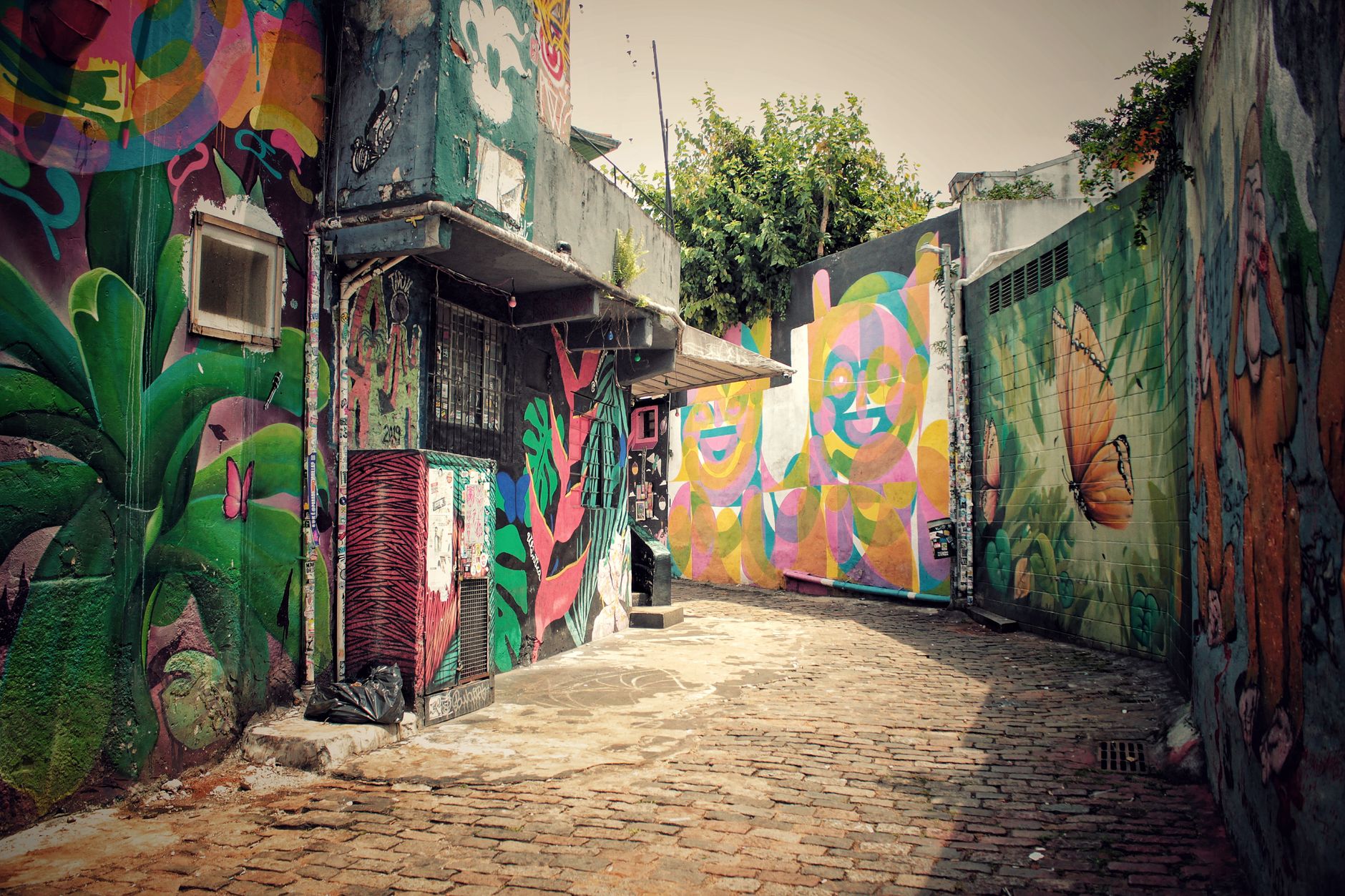
Day 2 moves west from Paulista into Vila Madalena, the city's most concentrated neighborhood for bars, independent galleries, street art, and the weekend market — and ends in the evening with the Minhocão, a genuinely São Paulo ritual that almost nothing in the English-language press covers.
Start at Beco do Batman (Batman's Alley) before 10am, when the crowds are thinner and the morning light is better for the murals. The alley system in Vila Madalena is covered in continuously rotating work by Brazilian graffiti artists — what was photographed here last year is unlikely to still be there. This is a real-time snapshot of the city's street art scene, not a fixed attraction, and that's exactly the point. Large-scale murals associated with artists like Eduardo Kobra and others fill the adjacent building walls along Rua Gonçalo Afonso and surrounding streets; verify specific works before listing them as named destinations, as facades change. Free entry, open air, always accessible.
From Beco do Batman, the Vila Madalena neighborhood itself is the morning. The area is dense with independent galleries and the cafés and bars that accumulated around them over the past two decades — a São Paulo version of the bohemian-quarter pattern, but with a specifically Brazilian creative scene rather than a European import. If you're visiting on a Saturday, the Feira da Praça Benedito Calixto runs from around 9am to late afternoon — part antique market, part food fair, part live music gathering — at the Praça Benedito Calixto a short walk from the metro. It's where locals spend a Saturday morning rather than visiting tourist sites.
Afternoon is loose: galleries, lunch at one of the neighborhood spots, whatever pace makes sense. Save energy for the evening.
The Minhocão — officially Via Elevada Presidente João Goulart, a 3.5 km elevated highway through downtown that closes to cars on weekday evenings (after 8pm) and all day on weekends — becomes something genuinely unusual when the traffic stops. Locals roller-skate, cycle, walk dogs, and sit in the sun along it. The gables of the buildings facing the elevated road are painted with large murals. It is completely free, there are no barriers, and it is one of the most honest things São Paulo does: a piece of failed mid-20th-century infrastructure turned into an informal linear park by the simple decision to close it to cars. Arrive early enough to walk the length of it and find a spot as the sun drops. (Wikipedia; Domus Web)
Quick reference — Day 2
- Beco do Batman: Vila Madalena, Rua Gonçalo Afonso. Free, open air, always accessible. Metro: Vila Madalena (Line 2 – Verde), ~10 min walk. Best weekday mornings before 10am for fewer people. (Audiala, 2025; New City Brazil, May 2025)
- Feira da Praça Benedito Calixto: Saturdays, ~9am–late afternoon. Praça Benedito Calixto, Pinheiros. Free to enter. Metro: Fradique Coutinho.
- Minhocão (Via Elevada Presidente João Goulart): Closes to cars weekday evenings (8pm+) and all day on weekends. Free. Most active sections are the central stretch between Consolação and the historic center.
Day 3: Ibirapuera, Liberdade, and the food payoff
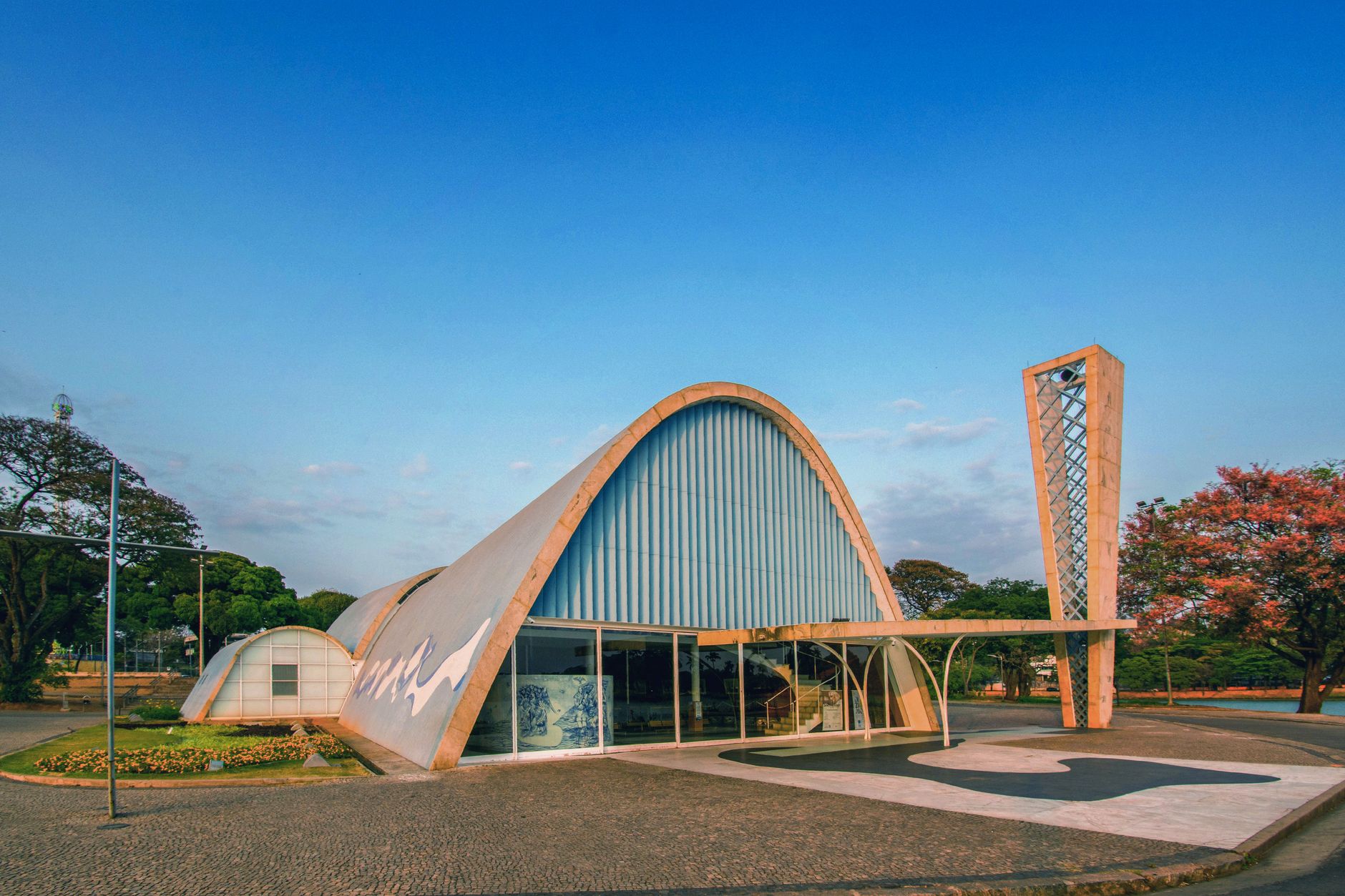
Day 3 earns the conversion — the Niemeyer park as urban architecture you can walk through, the most substantive immigration museum in South America, and a dinner that makes the case for São Paulo as a serious food city before you fly onward.
Morning is Ibirapuera Park — 1.6 million square meters designed by Oscar Niemeyer in the 1950s, containing the Museu Afro Brasil, the MAM (Museum of Modern Art), a Japanese pavilion, paths, lakes, and the full spread of mid-century Brazilian modernist public architecture. The park functions both as a museum campus and as the city's primary public green space — the morning joggers, the cyclists, the families with small children are all there too. The Museu Afro Brasil is the reason to do more than walk: three floors tracing the history of African culture and influence in Brazil, from the colonial period through contemporary Brazilian identity. Free to enter the park; museum admissions vary.
Afternoon is Liberdade — the neighborhood at the center of São Paulo's Nikkei (Brazilians of Japanese descent) community, the largest such community outside Japan itself (roughly 1.5 million people in the São Paulo metro area; Caffeinated Excursions, 2025). Liberdade is often presented as a place to eat gyoza and buy Japanese snacks, which it is — but the Museu Histórico da Imigração Japonesa is the more substantive reason to come. Three floors of photographs, artifacts, and film tracing over 100 years of Japanese immigration to Brazil: the first ship arrivals in 1908, the mid-century settlement of the interior, the development of the Nikkei cultural identity that is specifically São Paulo's own. It is one of the most detailed immigration history museums in South America. On weekends, the street market near Liberdade Metrô adds Japanese food vendors, Korean and Chinese stalls, and lanterns strung across the street.
Dinner is the close. Mocotó (Vila Medeiros, north zone) is the 50-year-old restaurant run by chef Rodrigo Oliveira, who inherited it from his Pernambuco-born father and turned it into one of the key references in Brazil's current conversation about Sertão food — the cuisine of the northeastern interior, built around dried meat, manioc, and regional stews. Dishes here include moqueca (a fish or shellfish stew with palm oil and coconut milk) and tacacá (a hot broth from Pará made with jambu leaf — the leaf causes a mild numbing and tingling sensation on the tongue that signals you're eating something that grew in the Amazon). Getting to Mocotó requires an Uber; it is not in the tourist corridor. That is part of the point.
If Mocotó's location or reservation situation doesn't work, Tordesilhas in Pinheiros is the alternative — chef Mara Salles has been building the case for Amazonian and Bahian ingredients for over 20 years, and her menu is a specific and considered argument for the Brazilian regional cuisines that churrasco tourism obscures.
Quick reference — Day 3
- Ibirapuera Park: Open daily. Free park entry. Museu Afro Brasil: Tue–Sun 10am–5pm; R$6 adults, free on Saturdays. MAM: Tue–Sun 10am–5:30pm; admission varies. Metro: Moema (Line 5 – Lilac), then ~15 min walk or bus. (Lonely Planet, 2025)
- Museu Histórico da Imigração Japonesa: Rua São Joaquim 381, Liberdade. Verify current hours and admission before visiting. Metro: Liberdade (Line 1 – Blue).
- Liberdade weekend market: Saturdays and Sundays near Liberdade Metrô. Free to browse.
- Mocotó: Av. Nossa Sra. do Loreto 1100, Vila Medeiros. Book in advance on weekends.
R$80–150 per person. Take Uber (25 min from Paulista). (Tripadvisor, 2025) - Tordesilhas: Pinheiros neighborhood. Mid-to-upper price range. Book in advance. Metro: Fradique Coutinho.
Onward to Rio (or Iguazú)
Rio de Janeiro earns the next leg for a specific reason: what São Paulo cannot give you — Guanabara Bay, the Sugarloaf, the Sambódromo neighborhood around Carnival season, beaches that are the actual coastline — Rio has. The two cities are genuinely different in what they offer, not just in postcard quality. São Paulo is urban, fast, internally oriented. Rio faces the water. Going from one to the other in the same trip is not redundant; it is the full picture.
The flight is about an hour. GOL, LATAM, and Azul compete heavily on the corridor — Santos Dumont (SDU), Rio's city-center airport, often lands you closer to where you want to be than Galeão (GIG), though Galeão has more international connections if you're flying home from Rio.
If Iguazú Falls is on the itinerary, it fits between São Paulo and Rio: fly GRU to IGU (about 1h50), spend two days at the falls (the Brazilian side is the wider panorama; the Argentine side — Puerto Iguazú, requiring a separate entry — is generally considered the more dramatic viewpoint), then fly IGU to GIG. GOL and LATAM operate direct GRU–IGU service. The Argentine crossing requires a valid passport and the Brazil e-visa applies on the Brazilian side; verify Argentine entry requirements separately before the trip.
Practical notes
São Paulo is a manageable city to navigate once you understand its structure: the metro handles the tourist neighborhoods reliably, Uber fills the gaps, and the main areas you'll spend time in are safer than their reputation suggests.
Getting around. The Metrô (6 lines, 65+ stations) runs 4:40am–midnight (until 1am on Saturdays) and covers Paulista, Vila Madalena, Liberdade, and the Luz neighborhood. Fare is approximately BRL 5.20 per ride (verify current fare — BRL fares adjust periodically). Keep your phone off and in a closed bag on crowded cars; pickpocketing is active. Uber is widely available, safe when booked through the app, and the right choice for anything requiring a cross-city ride — verify the plate and driver name before entering. Do not hail unregistered street taxis, especially at GRU arrivals, where express-kidnapping from unregistered vehicles is a documented risk (World Nomads, 2025). Route around the Cracolândia neighborhood near the historic center, particularly after dark.
Money and tipping. Brazilian currency is the Real (BRL). As of June 2026: approximately 1 USD ≈ R$5.06 (Federal Reserve H.10, June 15, 2026; at time of writing — the BRL/USD rate is volatile and should be checked before your trip). In restaurants, a 10% service charge is often already added to the bill; if so, no additional tip is expected. If no charge is included, 10% is appropriate for sit-down dining. Cash tipping is preferred; Pix (Brazil's instant payment system) is also accepted at many restaurants. Carry R$50–100 in accessible cash as a practical buffer; keep your main cash and cards secured separately.
Visa for US citizens. As of April 10, 2025, US citizens need an e-visa to enter Brazil. Apply at brazil.vfsevisa.com — allow at least 10 business days. Fee: $80.90 at time of writing. Re-verify fee and requirements at the US Embassy Brazil official page before booking; visa policy can change. The e-visa is valid for 10 years, multiple entries, up to 90 days per stay. EU citizens remain visa-free for up to 90 days.
Language. Portuguese is the language of São Paulo. English is uncommon outside luxury hotels, tourist-facing restaurants, and international business contexts. Google Translate's camera mode is useful for menus and signage. Even minimal Portuguese — obrigado/a (thank you), com licença (excuse me), quanto custa? (how much?) — makes daily navigation easier.
Timing. March–May and October–November are the most comfortable months: mild temperatures, less rain, good event coverage. June–August is dry, pleasantly cool (15–22°C), and easy for walking the city. December–February is hot (30°C+) and rainy, with Carnival in February or March bringing massive street parties along Paulista and across the city — expect crowds and peak hotel pricing if you time it then. The Virada Cultural (usually May) is a 24-hour arts festival with free concerts and performances citywide, worth knowing about if you're planning a May visit. The São Paulo Pride Parade (June, along Paulista) is the world's largest by attendance and fills accommodation in Jardins weeks in advance.
GRU buffer notes. The airport is 25 km from the city center; allow 45–90 minutes depending on traffic. For onward domestic flights from GRU, clear at least 2.5 hours between an international arrival and a domestic departure at the same airport. If your domestic departure is from CGH (Congonhas, the city-center domestic airport), allow 3 hours minimum from door to gate.
Planning São Paulo? Also worth reading: 10 things to do in São Paulo.
Frequently asked questions
How many days do you need in São Paulo?
Three days in São Paulo is enough to cover Avenida Paulista and the downtown art spine on Day 1, the Vila Madalena street-culture scene and the Minhocão on Day 2, and Ibirapuera Park plus the Liberdade neighborhood on Day 3 — with a serious dinner that evening before your onward flight to Rio or Iguazú. You'll leave wanting more, not feeling like you ran out of things to do.
How do I get from GRU (Guarulhos) airport to the city center?
The most economical option is the CPTM Line 13 (Jade train): BRL 5.00 from Terminal 1 or 2, about 45 minutes to the city rail network, with a transfer at Engenheiro Gould to Line 12. The EMTU bus 257 is similar in cost and time. Uber from GRU to central neighborhoods runs BRL 130–200 (roughly $26–40 at June 2026 exchange rates, at time of writing). Do not use unregistered street taxis from the arrivals area — book via the Uber app and verify the plate before entering.
Do US citizens need a visa to visit Brazil?
Yes. As of April 10, 2025, the US–Brazil visa exemption was rescinded on a reciprocity basis. US citizens must apply for an e-visa at brazil.vfsevisa.com before travel — allow at least 10 business days. The fee is $80.90 (current at time of writing; re-verify at the US Embassy Brazil official page before booking, as fees and requirements can change). The e-visa is valid for 10 years, multiple entries, up to 90 days per stay.
How do I get from São Paulo to Rio de Janeiro?
Fly. The GRU–GIG and GRU–SDU (Santos Dumont, city center) corridors are among the most competed domestic routes in Brazil — GOL, LATAM, and Azul run combined over 1,800 flights per week between São Paulo and Rio. One-way fares start from $29–35 (recent low, June 2026 aggregator data; prices vary by booking window and season). Flight time is about one hour. Santos Dumont lands closer to central Rio; Galeão (GIG) has more international connections for the return home.
What is the best neighborhood to stay in São Paulo?
For a first visit, Jardins, Pinheiros, or Consolação put you walking distance from Avenida Paulista (MASP, metro access) and a short Uber or metro ride from Vila Madalena and Ibirapuera. These neighborhoods are the safest and most walkable for visitors, with good restaurant and café density. Liberdade is also a practical base if you want to be closer to the historic center, though more of the action is in the neighborhoods above.
Is São Paulo safe for tourists?
The main tourist neighborhoods — Paulista, Jardins, Pinheiros, Vila Madalena, Moema — are safe for daytime pedestrian movement, and São Paulo recorded its lowest robbery rate in 25 years in 2025. Practical precautions: keep your phone off and in a closed bag on the metro, where pickpocketing is active on crowded cars. Use Uber booked through the app rather than hailing unregistered street taxis. Route around the Cracolândia area near the historic center, which is a public health crisis zone. None of this is unusual for a major South American city.
What is the mortadella sandwich at the Mercadão?
It's a 300-gram mortadella sandwich served at Hocca Bar inside the Mercado Municipal — thick slices of Ceratti mortadella (a São Paulo-specific product) stuffed into a French roll, sometimes with cheese. The sandwich traces to a dispute between a vendor and a disgruntled customer in the 1930s and has been the market's signature item since. Go for the sandwich and the stained-glass hall; the ground-floor stalls use aggressive free-sample tactics, and prices run above neighborhood rates.
What is the Minhocão, and when can I use it?
The Minhocão — officially Via Elevada Presidente João Goulart — is a 3.5 km elevated highway through downtown São Paulo that closes to cars on weekday evenings (after 8pm) and all day on weekends. When it closes, locals roller-skate, cycle, walk dogs, and sit in the sun along it, with large murals painted on the adjacent building gables. It's one of the most genuine local rituals in the city. Free, open-air, no ticket required.