Best Day Trips from Catania: Etna, Syracuse, and Taormina
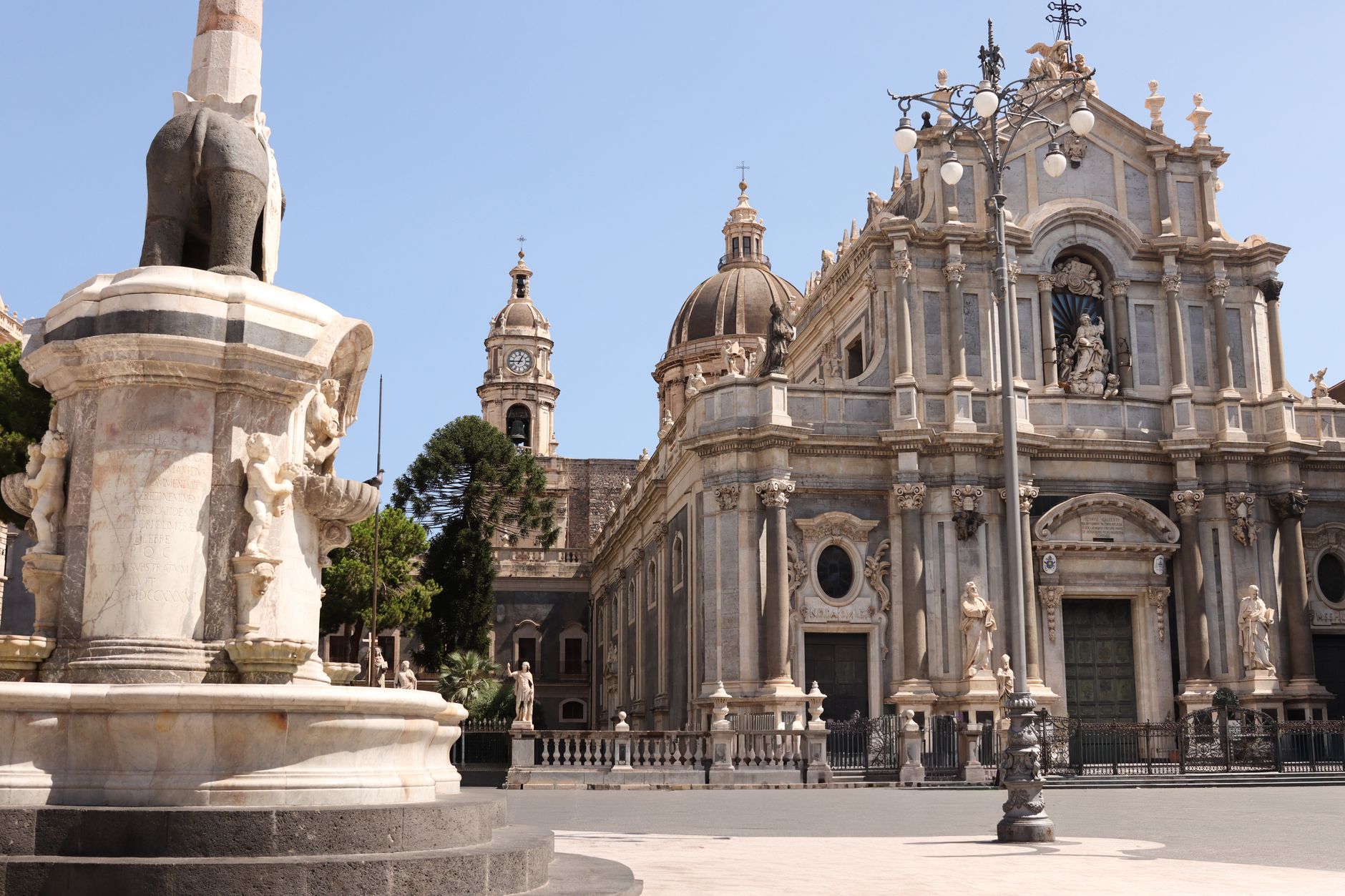
Catania sits at the foot of Europe's tallest active volcano, a Baroque city built almost entirely from Etna's black lava stone — the same material as the elephant fountain in the central piazza, the same material beneath the streets. It is also Sicily's most useful eastern gateway: the airport connects directly to the island's strongest day trips from Catania, and none of them require a rental car. From a Catania base, four destinations cover the full range: Etna's crater zone to the north, the ancient Greek city of Syracuse to the south, Aci Trezza's fishing-village sea stacks along the coast, and the clifftop theater at Taormina. The differences between them are sharper than the distances.
The four day trips, ranked by what they offer
Four destinations cover the eastern Sicily spectrum from a Catania base: active volcano and wine country (Etna), ancient Greek archaeology and baroque island town (Syracuse/Ortigia), fishing-village coastline and Odyssey legend (Aci Trezza), and a clifftop ancient theater above the Ionian Sea (Taormina). Choose by what you want from the day. There is no wrong call.
1. Mount Etna
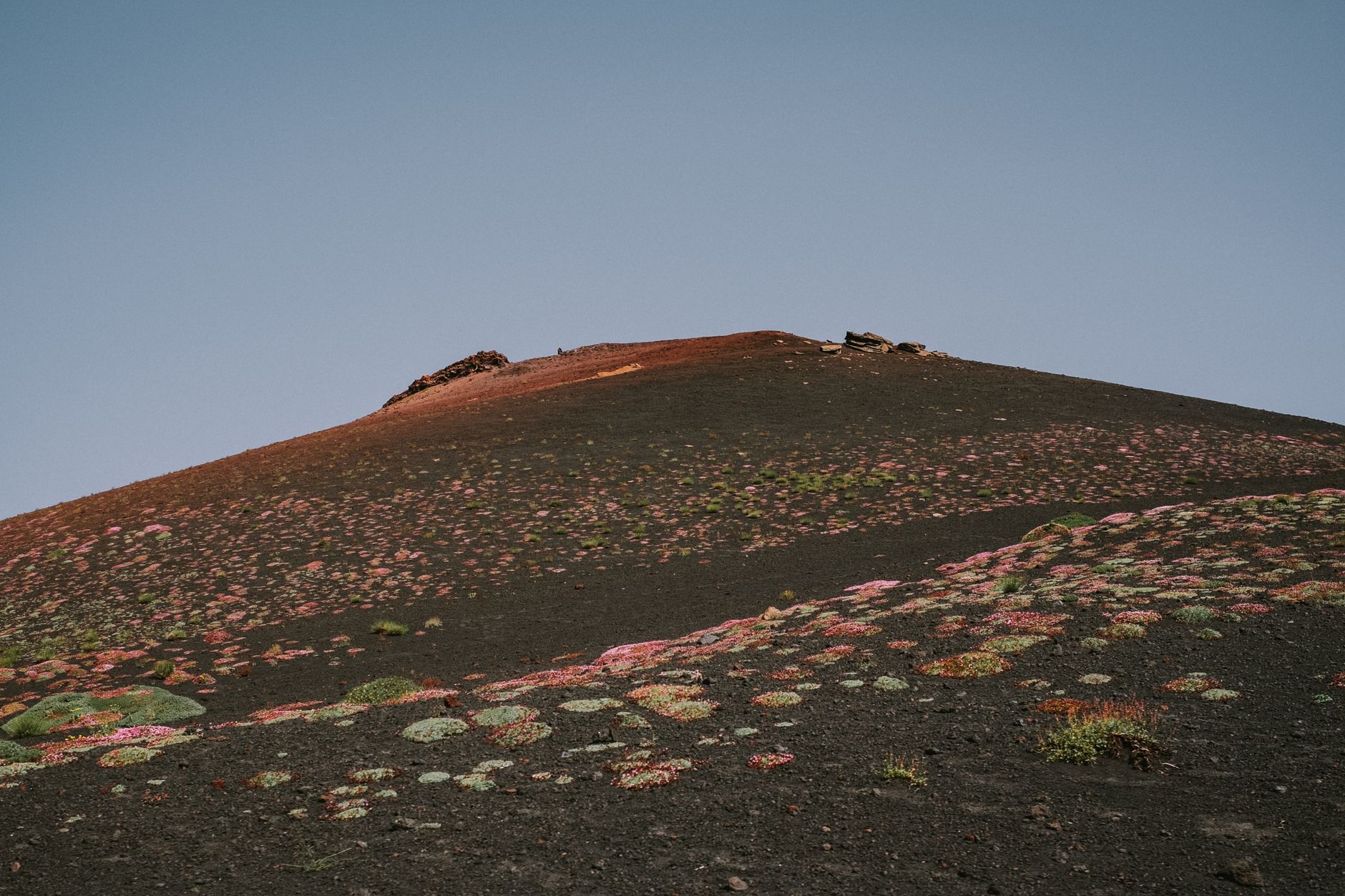
Mount Etna is a full day trip from Catania that puts you on a working volcanic landscape: lava fields, sulfur vents, and the crater rim zone that formed the black stone the city is built from. The AST public bus departs at 8:15 AM and returns at 4:30 PM, reaching Rifugio Sapienza at around 1,900 metres — independent, cheap, and sufficient for a day on the mountain without a guide.
The lava fields above Rifugio Sapienza are the part most visitors don't expect. The city's elephant fountain, the cathedral columns, the cobblestones of the fish market — they all came from here. Walking on the solidified lava flow channels above 1,900 metres, the color shifts from brown to grey to obsidian black, and the vegetation disappears entirely. The Funivia dell'Etna cable car (funivia-etna.com) lifts you from Rifugio Sapienza to 2,500 metres; above that, the crater rim requires a licensed guide. Guided group tours from Catania handle the logistics — transport, guide, and often a stop in the Etna DOC wine zone. The appellation is named for the mountain; Nerello Mascalese reds and Carricante whites grow in the same volcanic soil you walked on at noon.
Before you go, check INGV (Istituto Nazionale di Geofisica e Vulcanologia — the Italian volcanic monitoring agency) activity alerts. Access above 3,000 metres is conditional on eruption status; the cable car and Rifugio Sapienza zone are almost always accessible, but the summit approaches are not.
Quick reference: AST public bus ~€3–4 each way; departs Piazza Papa Giovanni XXIII, Catania, 8:15 AM; returns from Etna 4:30 PM (AST Sicilia). Funivia dell'Etna cable car from approximately €52 round trip to 2,500m — verify current pricing at funivia-etna.com (March 2025 figure; may have changed). Guided group tours from approximately €60–72 per person; private from approximately €118. Advance booking recommended in peak season (April–October) for guided options.
2. Syracuse (Siracusa) and Ortigia

Syracuse is 1 hour 15 minutes south of Catania by train. A full day covers two distinct sites: the Neapolis Archaeological Park, with a Greek theater still used for summer performances, and Ortigia (the historic island core of Syracuse, connected to the mainland by two short bridges). Ortigia holds the Temple of Apollo, a baroque cathedral, and the freshwater Spring of Arethusa. Leave Catania by 9:00 AM to reach both.
The Neapolis park holds a Greek theater from the fifth century BC, modified in Roman times — the tiered stone seating still carries summer performances today, which means the same acoustic geometry that served the original audience continues to be the point. The Ear of Dionysius is a cave carved into the limestone nearby: 23 metres high, 65 metres deep, tapered to a narrow slit at the top like a teardrop. The shape is the whole story — it draws you in and makes you want to stand still and listen. From Neapolis, a short walk or taxi reaches Ortigia — a small island where Greek temples, Norman columns, and baroque palaces occupy the same blocks. The Spring of Arethusa, a freshwater spring on the edge of the sea, is older than the city built around it. In Ortigia's market, the morning's catch moves from the harbor across the stones, and the restaurants facing the water serve what arrived that morning — the harbor and the food have operated the same way since the Greeks first built here.
Rail disruption: As of June 2026, the Messina–Syracuse line was partially suspended following Storm Harry (January 2026). Catania-to-Syracuse service resumed, but verify current status at Trenitalia.com before booking — replacement buses serve the suspended sections if needed. Do not assume the train is running without checking.
Quick reference: Train from Catania Centrale to Siracusa, around €8.95–€10 one-way (TheTrainline.com, 2026); approximately 13 trains per day; last bus back to Catania departs around 23:10. Neapolis Archaeological Park entry fee: check locally for current pricing. Ortigia is free to walk; individual sights charge separately. Ear of Dionysius: 23m high, 65m deep; its teardrop shape amplifies sound — sources cite up to 16× amplification (Wikipedia: Ear of Dionysius; Atlas Obscura).
3. Aci Trezza and the Cyclops Riviera
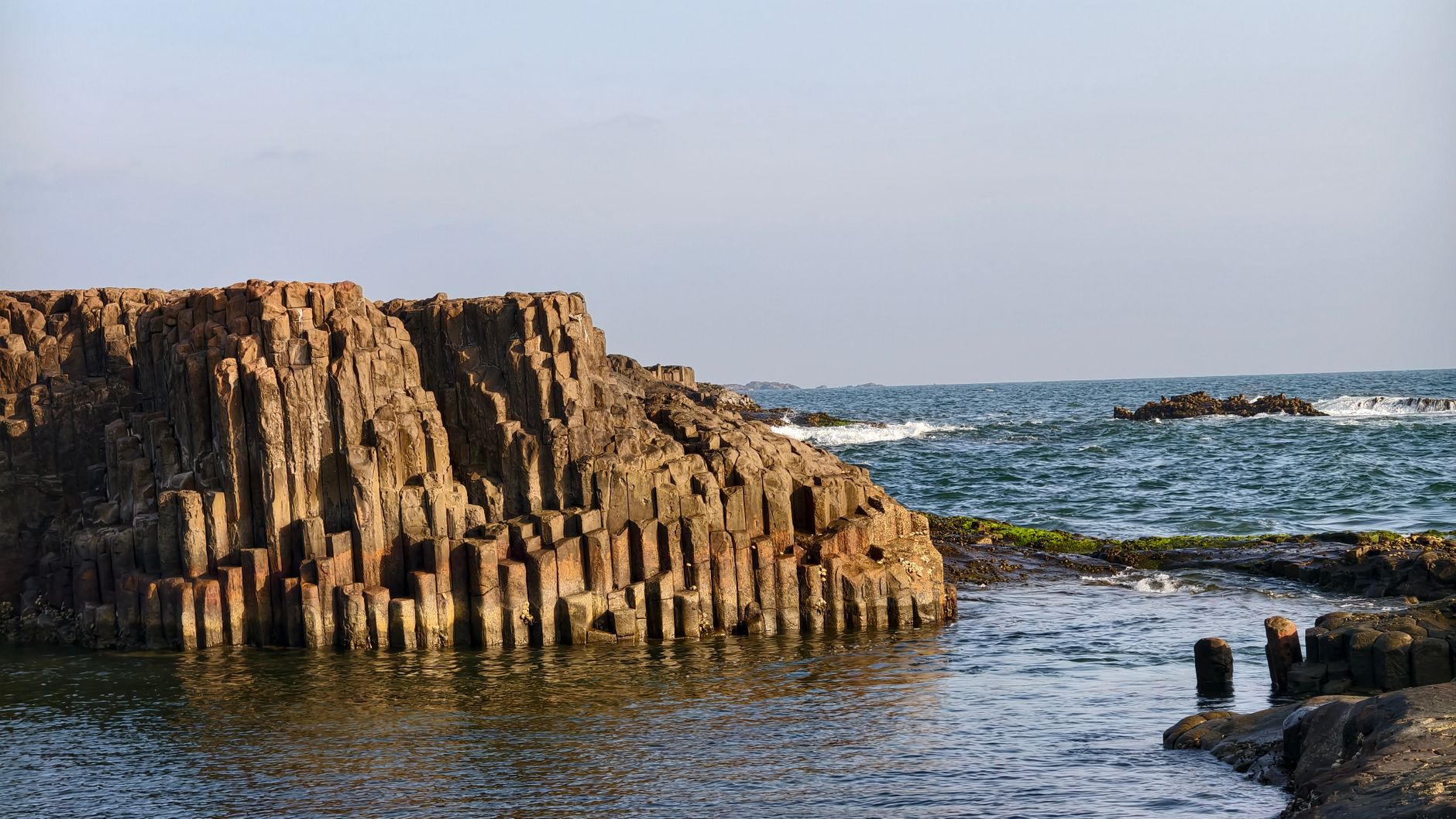
Aci Trezza is a working fishing village 14 km north of Catania, built around a harbor where the Faraglioni dei Ciclopi — volcanic basalt sea stacks — rise from the water. These are the rocks Homer named in the Odyssey: Polyphemus, the blinded Cyclops, tore them from the mountainside and threw them at Odysseus's departing ships. The same eruptions that built Catania's streets threw them into the sea.
The village is still a fishing village, not a day-trip set piece. Boats are hauled on the slipway; nets dry on the quay. A 60-minute boat tour around the Faraglioni departs from the harbor — the stacks from water level look nothing like the standard coastline view — and the boats are run by local operators, not tour companies. After the tour, the harbor restaurants serve the morning's catch. Plan for a late lunch, and leave Catania no earlier than mid-morning if you want to catch both the boat tour and something to eat.
Most English-language eastern Sicily itineraries skip Aci Trezza for Etna and Syracuse. That's a reasonable call — but the fishing-village atmosphere here is different. Working harbor, old men at café tables, a coastal town that runs on its own schedule. The Cyclops legend gives it weight that a generic beach stop doesn't have.
Quick reference: Bus from Catania to Aci Trezza: Interbus or Etna Trasporti, approximately 30 minutes. Car: approximately 20 minutes. Boat tours around the Faraglioni: approximately €15–25 per person, around 60 minutes; depart from Aci Trezza harbor (SavoringSicily.com; CharmingSicily.com, 2025). No advance booking typically required outside peak summer.
4. Taormina
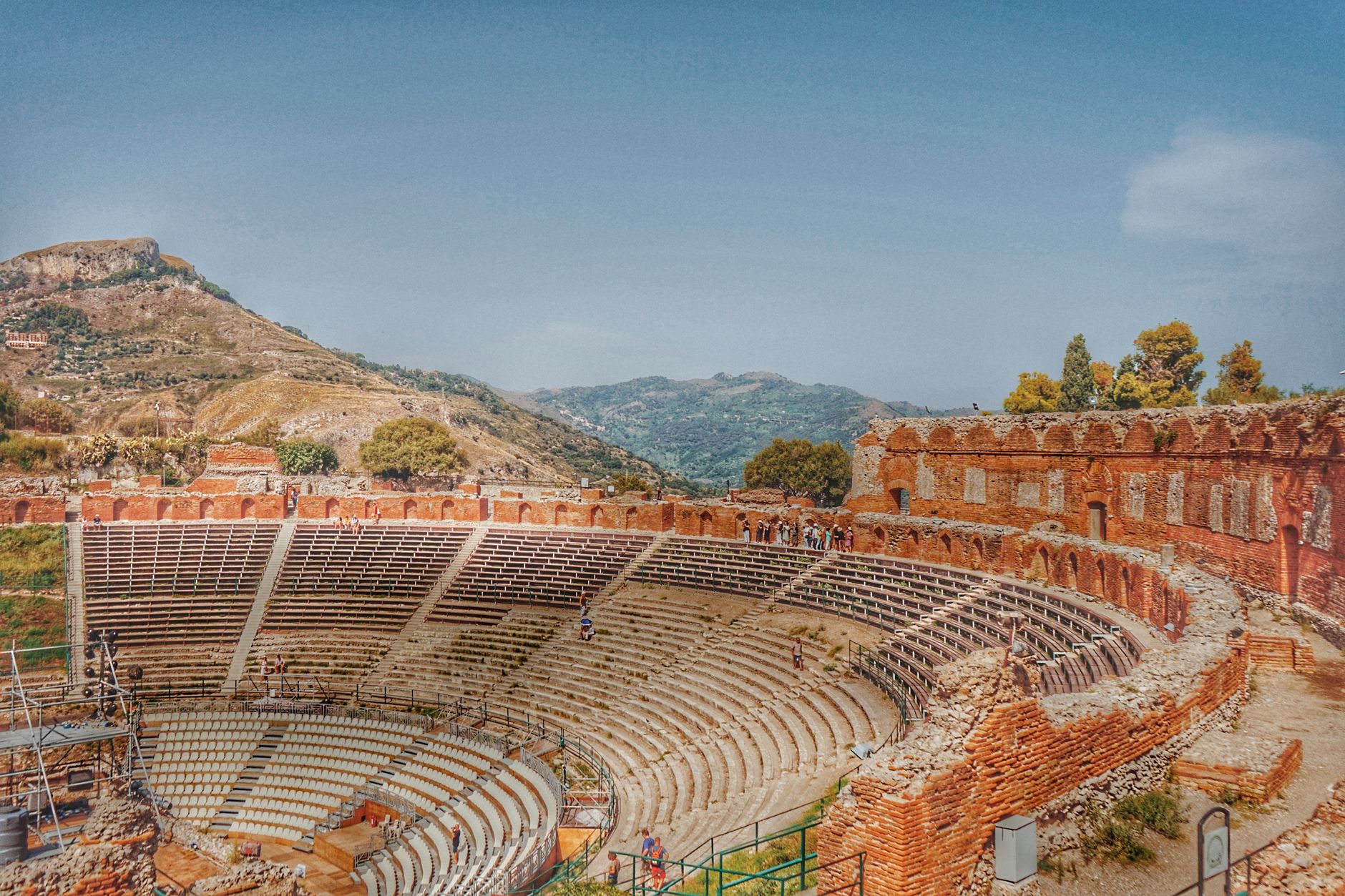
Taormina is 36–51 minutes north of Catania by train. The Teatro Antico — an ancient Greek-Roman theater on a clifftop above the Ionian Sea — has Mount Etna filling the skyline behind the stage. That combination is the strongest single view in eastern Sicily. The town is small, the streets are narrow, and the theater is the reason to come.
Peak season note: In July and August, Taormina fills with tour groups by mid-morning — the theater is crowded, the main street (Corso Umberto) is shoulder-to-shoulder, and the experience at both degrades significantly. Shoulder season (April through June, September through October) is the explicit recommendation for this day trip. If summer is your only option, arrive by 8:30 AM, see the theater before 10:00, and leave before noon.
The train station is at the base of the hill; a local bus or taxi covers the 10-minute climb to town. The theater dates from the third century BC and was rebuilt by the Romans — the stage wall is mostly gone, which is why the Etna view works so well. In shoulder season, when the morning light comes across the Ionian from the east, the theater is almost quiet; you can hear the wind move through the stone tiers before the day's visitors arrive. The town itself is unambiguous about being a tourist town — that is not a flaw, it is the deal. The restaurants on Corso Umberto are expensive and aimed at visitors; the better call is a side-street place, or lunch packed from a Catania deli before you go.
Rail disruption: As of June 2026, the Giardini-Taormina to Messina section of the Messina–Syracuse line remained suspended following Storm Harry (January 2026). Train service from Catania to Taormina-Giardini may still operate; verify current status at Trenitalia.com before booking. Interbus operates replacement bus service on the suspended section and also runs direct Catania–Taormina coaches independently of Trenitalia.
Quick reference: Train from Catania Centrale to Taormina-Giardini, from approximately €6.67 one-way (TheTrainline.com, 2026); 36–51 minutes. Local bus or taxi from Taormina-Giardini station to town: 10 minutes. Entry to Teatro Antico: check current pricing at teatroantikotaormina.com. Best months: April–June, September–October.
Practical notes
Catania is the opening leg for an eastern Sicily trip: all four destinations connect by public transport, the rail-status caveat on the Messina–Syracuse line applies before every booking, and restaurants add a coperto (a per-person cover charge, typically €1–2 for bread and table service) that surprises first-time visitors to Sicily.
All four destinations here — Etna, Syracuse, Aci Trezza, Taormina — move outward from the city by public transport, no car needed, no transfer through Palermo. Pick any three over a three-to-five day stay and you cover eastern Sicily without backtracking. If you're focusing on western Sicily — Palermo, Agrigento, Segesta — that is a different airport and a different trip.
Getting around: Trenitalia regional trains connect Catania Centrale to Syracuse (south) and Taormina-Giardini (north). The AST public bus covers the Etna route (depart Piazza Papa Giovanni XXIII). Interbus and Etna Trasporti handle the coast north, including Aci Trezza. Check Trenitalia.com for current rail status before booking any leg — the Messina–Syracuse line disruption from Storm Harry (January 2026) was unresolved as of June 2026 research; replacement buses run but add time.
Money: The euro is the currency. Budget lunch at a local trattoria runs €8–15. Street food arancini (fried rice balls, cone-shaped in Catania, unlike the round version common in Palermo) run €2–4. Restaurants add a coperto — standard, not a tip. Cards are widely accepted at hotels and larger restaurants; carry cash for the fish market, street vendors, and smaller trattorias.
Timing: Etna and Taormina work best on days with clear skies — the Etna view from Taormina's theater, and the views above 2,500m on Etna itself, disappear in cloud cover. Syracuse and Aci Trezza are good choices for overcast days. The Catania fish market (La Piscaria) closes by midday. It's worth arriving early — grab arancini from a street vendor at the market entrance, and you can still make the 8:15 AST bus to Etna before the piazza fills.
Planning Sicily? Two more guides worth a look: 3 days in Catania and Catania vs Palermo: which gateway.
Frequently asked questions
How do I get from Catania to Mount Etna without a tour?
The AST public bus leaves Catania's Piazza Papa Giovanni XXIII at 8:15 AM daily and reaches Rifugio Sapienza at around 1,900 metres — the starting point for the cable car and most guided routes. The return bus leaves Etna at 4:30 PM. Cost is around €3–4 each way (AST Sicilia). The Funivia dell'Etna cable car adds another €52 round trip to reach 2,500 metres. Above that, the crater rim requires a licensed guide.
How do I get from Catania to Syracuse by train?
Trenitalia regional trains run from Catania Centrale to Siracusa roughly 13 times per day; the journey takes about 1 hour 15 minutes and costs around €8.95–€10 one-way (TheTrainline.com, 2026). The last bus back from Syracuse departs around 23:10. Storm Harry (January 2026) caused partial disruptions to the Messina–Syracuse line — verify current service status at Trenitalia.com before booking.
Is Taormina worth a day trip from Catania, or should I stay overnight?
Taormina works well as a day trip from Catania in shoulder season (April–June and September–October), when the Teatro Antico and the clifftop town are manageable. In July and August, tour groups fill the narrow streets by mid-morning and the experience degrades. Staying overnight in Taormina gives you the town before and after the crowds — worth it if your schedule allows.
What is Aci Trezza, and how do I get there from Catania?
Aci Trezza is a working fishing village 14 km north of Catania, known for the Faraglioni dei Ciclopi — volcanic basalt sea stacks that the Odyssey names as rocks thrown by the blinded Cyclops at Odysseus. Interbus or Etna Trasporti buses run from Catania to Aci Trezza in around 30 minutes. Boat tours around the stacks run roughly 60 minutes and cost €15–25 per person.
Is the Catania to Taormina train running right now?
As of June 2026, partial service on the Messina–Syracuse line resumed after Storm Harry (January 2026), but the Giardini-Taormina to Messina section remained suspended with no confirmed reopening date. Replacement buses serve the suspended section. Train to Taormina-Giardini from Catania Centrale may still run; verify current status directly at Trenitalia.com before booking.